Song Meaning
The lyrics paint a picture of detached acceptance, a quiet surrender to circumstances rather than a fight against them. There's a sense that making promises or sticking to plans is more trouble than it's worth, leading to a passive observation of life unfolding. The recurring phrase "C'est plus facile" (It's easier) sets a tone of resignation, suggesting a preference for inaction or avoidance over engagement.
This ease, however, seems to breed a subtle unease, highlighted by the contrast between the narrator's presence in writing versus their absence in person. The line "Quand même étrange de ne pas être là pour ta fête" (Still strange not to be there for your party) reveals a disconnect, a missed connection that feels significant despite the overarching theme of letting things be. This creates a tension between the comfort of detachment and the lingering awkwardness of missed presence.
The imagery of "Les rivières vont couler" (The rivers will flow) and "Les jardins sur ma terre / Font oublier l'hiver" (The gardens on my land / Make one forget the winter) offers a natural, cyclical perspective. These elements suggest that life, like nature, has its own momentum and regenerative power, implying that external forces will eventually resolve things or provide solace. The repeated "Anyway" acts as a verbal shrug, a final acknowledgment of this unstoppable flow, regardless of personal involvement or plans.
The concluding question, "C'est plus facile mais là on fait comment ?" (It's easier but now what do we do?), cuts through the resignation with a sharp, practical query. It acknowledges the ease of letting go but simultaneously points out the void left by such detachment, questioning the next step when passive acceptance meets an immediate reality. This final line leaves the listener with the lingering feeling that while acceptance might be easier, it doesn't necessarily provide direction.
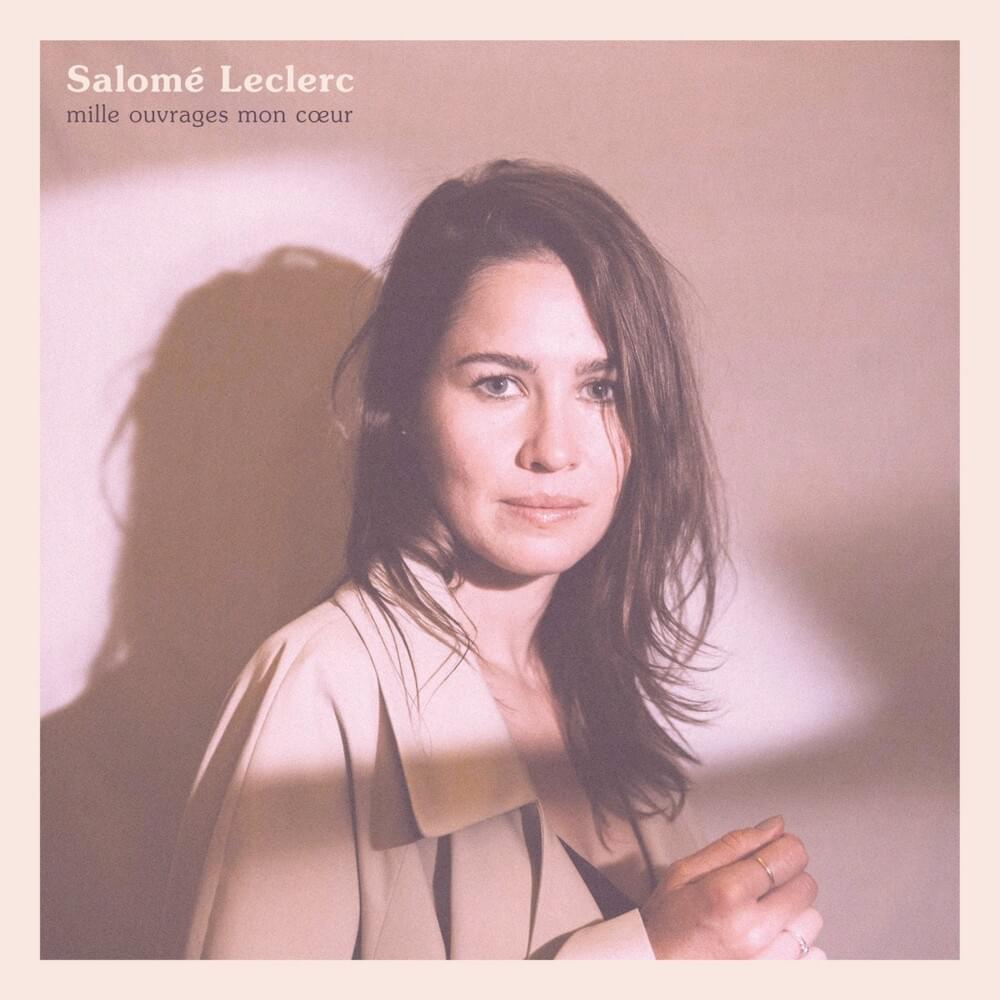
 View Artist