Song Meaning
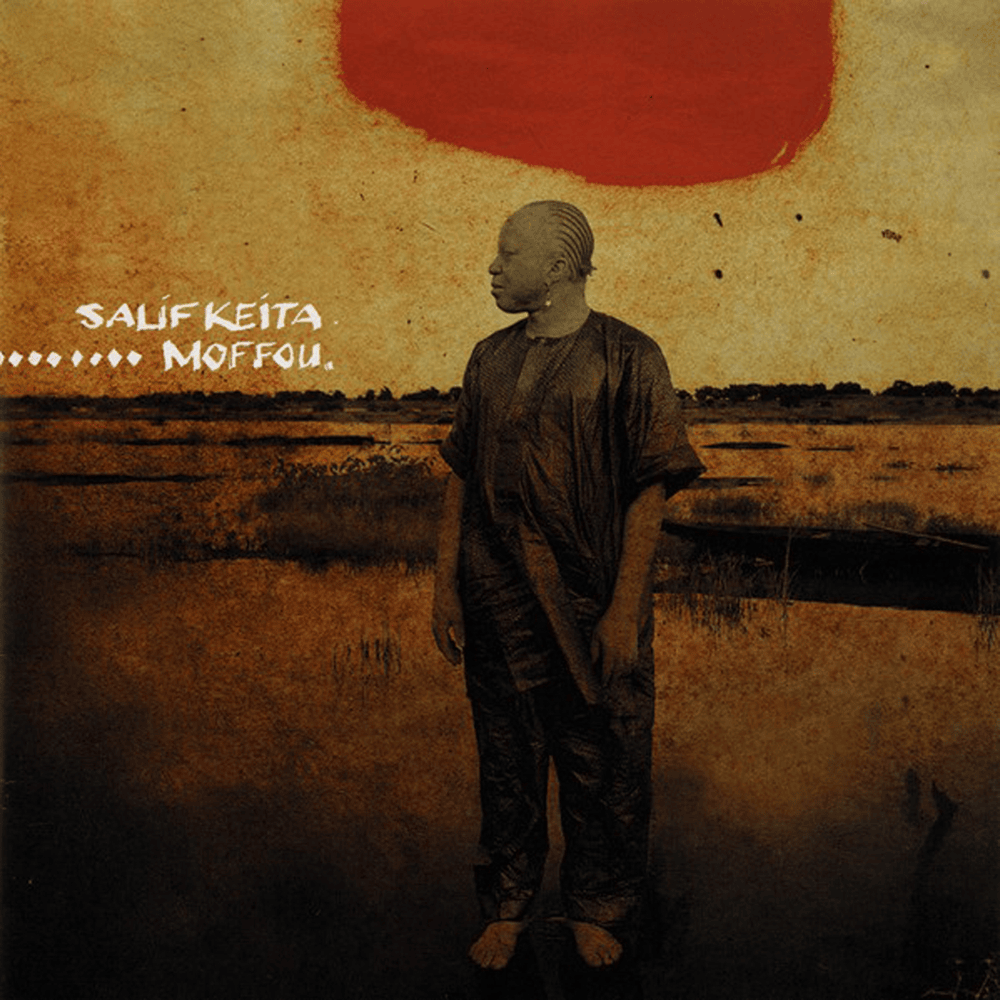
Salif Keïta's "Madan" pulses with a primal energy, even if a literal translation of the lyrics remains elusive for many Western listeners. The song's power lies less in explicit narrative and more in its sonic architecture and emotional resonance. The repeated phrases, like "O laka lamma le" and "Se jolaka lamma le," function as incantations, creating a hypnotic state. This rhythmic repetition, common in West African musical traditions, serves to bypass the listener's conscious mind, tapping directly into a deeper, more visceral understanding. It speaks to the communal experience of music, where meaning is generated not just through words, but through shared rhythm and sound.
The blending of what appears to be untranslated Malian phrases with occasional clearer lines suggests a layered interpretation. The music acts as a unifying force, a linguistic bridge across cultures, even when direct understanding is absent. The song hints at themes of longing and possibly spiritual seeking, suggested by the yearning tone and the repeated calls. Keïta's distinctive, soaring vocals amplify this sense of searching, lending the song an almost devotional quality. "Madan" becomes less about specific meanings and more about the universal human experience of connection and the search for something beyond the everyday.
Ultimately, the song's genius lies in its ability to evoke powerful emotions and create a sense of shared experience without relying on conventional lyrical storytelling. The rhythmic structure and melodic contours create a space for individual interpretation, allowing each listener to project their own experiences and emotions onto the music. The repetition grounds the listener in the present moment, encouraging a meditative state where meaning arises not from intellectual understanding, but from a deep, emotional engagement with the sound. It's a testament to Keïta's artistry that he can convey so much with so little direct translation, reminding us that music transcends linguistic barriers to touch the very core of our being.
 View Artist