Song Meaning
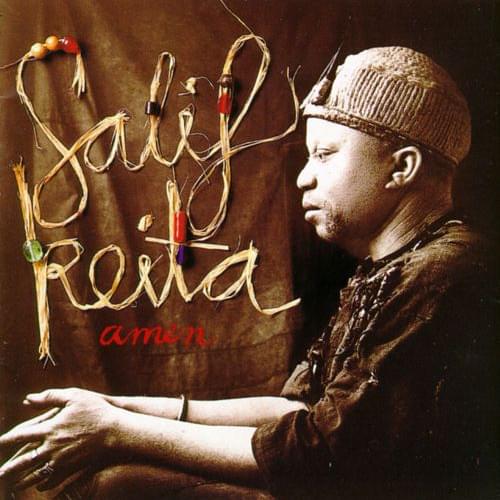
Salif Keïta's "Kuma" resonates as a profound exploration of identity, displacement, and the weight of unspoken truths, delivered with the Malian singer's signature blend of soulful vocals and intricate instrumentation. The song’s title, "Kuma," which translates to "word" or "speech," immediately signals the central theme: the power and burden of language, both spoken and suppressed. Keïta navigates the complexities of his heritage, seemingly grappling with societal expectations and personal experiences that have shaped his understanding of self. The lyrics hint at a journey through different social strata – from the griot tradition ("jeliso") to encounters with the bereaved ("funēso") and interactions with women ("numuso") – each verse painting a vivid picture of the human condition.
The recurring motif of seeking a place to belong, yet finding himself unable to settle ("Ne ma se sigi jeliso la," "Ne ma se sigi funēso"), suggests a deeper sense of alienation. This feeling is further amplified by the lines that allude to the dangers of speaking out or challenging established norms. The mention of lawyers ("avocat") and the warning against playing with words imply a context where truth can be manipulated or weaponized. Keïta seems to be cautioning against the reckless use of language, recognizing its potential to both heal and harm. The repeated phrase "I da madon i la" ("Control your mouth") serves as a stark reminder of the need for discretion in a world where words carry significant consequences.
"Kuma" transcends a simple narrative, delving into the psychological landscape of an individual wrestling with his place in the world. Keïta uses vivid imagery and metaphorical language to convey the emotional toll of displacement and the struggle to reconcile personal identity with societal expectations. The song's power lies not only in its lyrical content but also in its emotional delivery. Keïta's voice, filled with both vulnerability and strength, imbues the song with a sense of urgency and authenticity, inviting listeners to reflect on their own experiences with identity, belonging, and the weight of unspoken truths. The references to death ("Saya tē dafēn to," "Saya tē jòn to") drive home the point that no one escapes life unscathed, neither the noble or the enslaved, rich or poor.
 View Artist