Song Meaning
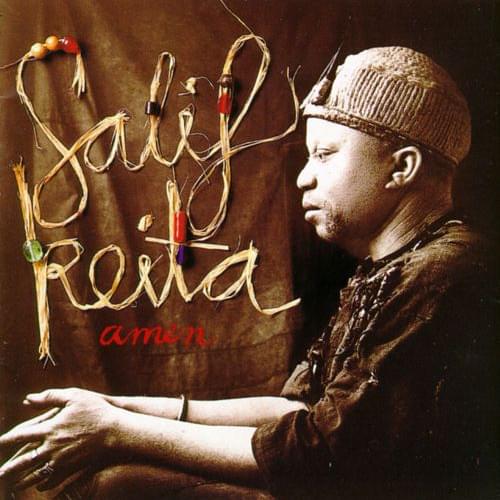
Salif Keïta's "Karifa" is less a narrative and more a sonic tapestry woven from identity, lineage, and perhaps, a quiet defiance. The repetition of "Kan karifa" functions as a mantra, a grounding affirmation amidst a complex declaration of self. For listeners unfamiliar with the Malian singer's history, it's crucial to understand Keïta's position as an albino in a culture where such births are often stigmatized. This context immediately colors the song with a sense of overcoming, of a deliberate act of self-naming and self-acceptance.
The lyrics repeatedly invoke familial names and lineages ("Sanbali Kuyoro den," "Ba Fili Kuyoro den"), painting a portrait of belonging and heritage. The song’s meaning hinges on this assertion of identity. In societies with strong oral traditions, naming is a powerful act, a way of claiming space and connecting to ancestry. Keïta is not simply singing a song; he is reciting his belonging, solidifying his place within his family and culture. The almost incantatory delivery of these names suggests a ritualistic quality, a conscious effort to reinforce his connection to his roots.
Then there's the intriguing line, "Walenyumandonbali tē n di," which translates roughly to "Ingratitude is not in me." This declaration, repeated twice, hints at a possible undercurrent of struggle or societal pressure. Is Keïta addressing past criticisms or preemptively silencing future doubts? The line suggests a deep awareness of the potential for misjudgment or rejection, and a firm rejection of any such accusations. Ultimately, "Karifa" transcends simple biography. It's a potent statement about self-acceptance in the face of adversity, a celebration of heritage, and a reminder of the enduring power of identity.
 View Artist