Song Meaning
The lyrics paint a picture of someone grappling with a persistent emotional struggle, possibly depression or a deep-seated sadness, and desperately seeking an end to it. The narrator contrasts themselves with others who seem to move on easily, stating, "I'm not like them." There's a sense of external pressure to recover, with phrases like "Get up" and "Stop falling apart," but these commands feel hollow, lacking genuine understanding or empathy, as the narrator notes, "It's never with heart." The core of the song lies in this internal battle against an overwhelming feeling, questioning when it will finally cease.
The central tension arises from the narrator's internal state versus perceived external expectations. They feel misunderstood, unable to simply "get over it" as others might expect. The repeated question, "Is it over?" isn't just about a specific event, but about the enduring pain. The inclusion of quoted dialogue like "Are you over it?" highlights the disconnect between the narrator's lived experience and the simplistic, perhaps dismissive, questions they receive from the outside world.
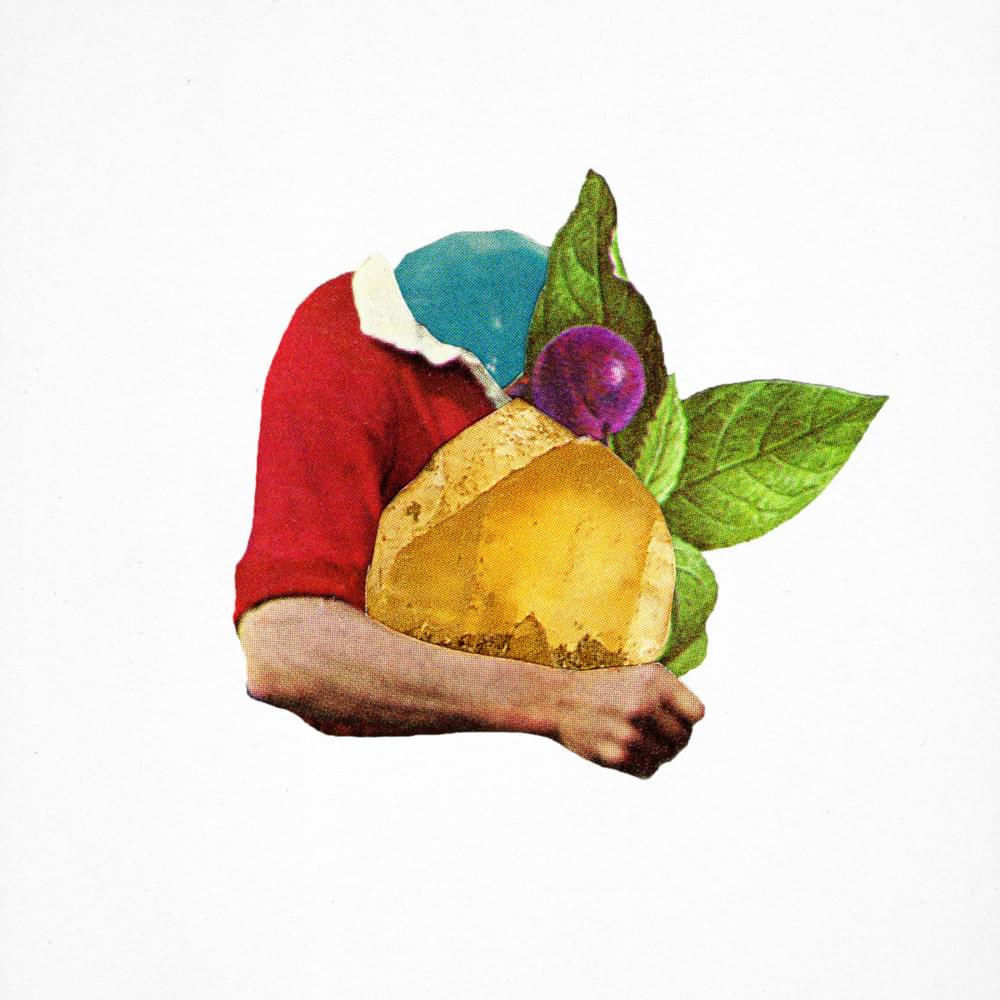
A striking element is the repetition of "Want to get up and now" in the second pre-chorus. This phrase, appearing three times in quick succession, powerfully conveys a desperate, almost frantic desire for immediate change and escape from their current state. It's a stark contrast to the passive questioning of "Is it over?" and reveals a flicker of agency, a yearning to break free from the inertia that holds them captive. The image of "Purple in hand / Before you crash" is also evocative, hinting at self-medication or a desperate attempt to stave off a breakdown.
Ultimately, the effectiveness of these lyrics stems from their raw portrayal of an internal conflict that feels both specific and universally understood. The simple, direct language, coupled with the insistent questioning and the sudden burst of desperate desire, captures the exhausting nature of prolonged emotional distress. It resonates because it articulates the feeling of being stuck, the frustration of external platitudes, and the deep-seated hope for an end to the suffering.
 View Artist