Song Meaning
The narrator is caught in a painful push-and-pull, desperately wanting a simple acknowledgment of affection – a casual "cute" – from someone they care about. They crave any kind of touch, even a fleeting mention, just to feel noticed. This yearning is tangled with a deep-seated insecurity, making them simultaneously wish for the other person to see their feelings and fear the inevitable fallout if they do. The lyrics paint a picture of someone holding back, forcing smiles, and accepting a passive role because they believe revealing their true desires would end the fragile connection they have.
The central tension lies in the narrator's conflicting emotions: they love the very gentleness in the other person that also causes them the most pain. This paradox fuels their internal struggle, leading to a quiet resignation. They tell themselves that simply being near is enough, that their presence alone should suffice, and that this proximity makes everything else feel manageable. Yet, this self-soothing is undercut by the stark realization that their feelings are likely insignificant to the other person, a fact they seem to understand all too well.
The most striking aspect of the writing is the stark contrast between the narrator's outward acceptance and their inner turmoil. They repeatedly state that being there is "enough" and that they "don't need anything else," but this is directly contradicted by the later admission, "Actually, it's all a lie." This reveals a deep well of unexpressed longing, a desire for more than just passive presence, specifically the physical intimacy of being held. The shift from "enough" to "more than enough" (散々だ - *sanzan da*, implying it's tiresome or excessive) in the final verses highlights how this unfulfilled need has become a burden, making them feel suffocated and unable to speak.
This lyrical construction is effective because it captures the quiet desperation of unrequited or unacknowledged love. The narrator’s internal monologue, oscillating between hopeful rationalization and painful self-awareness, feels incredibly intimate. The repeated phrases about being "enough" and things being "okay" serve as a mantra that eventually breaks down, revealing the raw vulnerability beneath the surface. It’s this honest portrayal of internal conflict, the gap between what is said and what is felt, that makes the narrator’s situation so poignant and relatable.
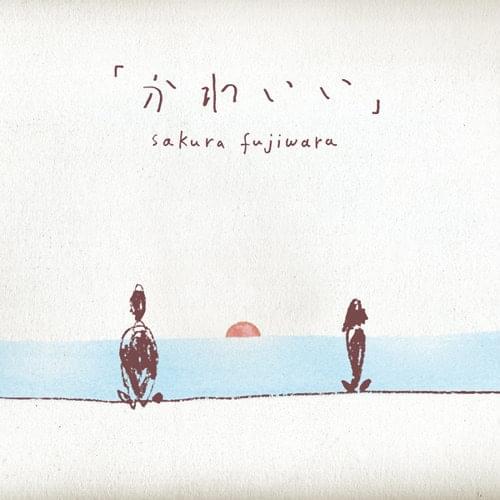
 View Artist