Song Meaning
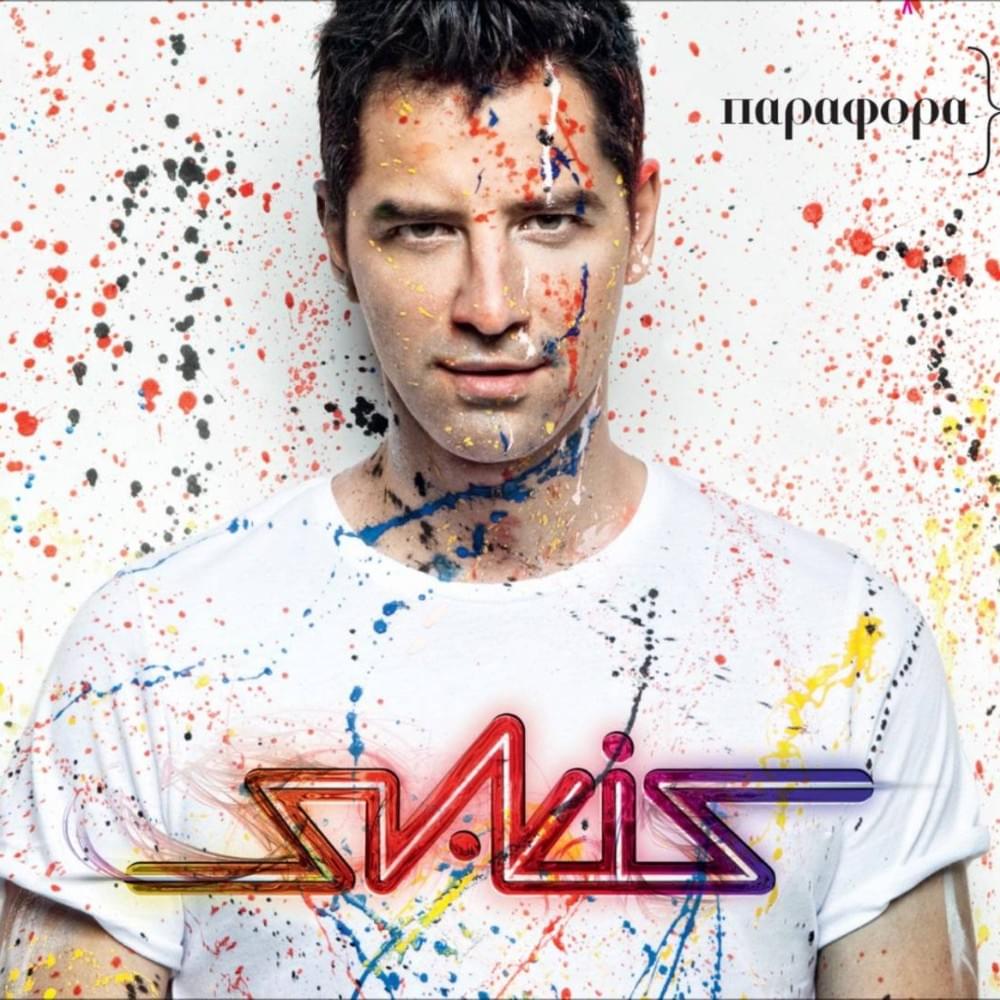
Sakis Rouvas's "Parafora" isn't just a song; it's a raw, exposed nerve. The title itself, meaning "excessively" or "uncontrollably," sets the stage for a lyrical exploration of love's most volatile edges. The song meaning hinges on the paradox of desire: the singer admits to actively pursuing the relationship ("I wanted it, I asked for it, I tried and chased it"), yet simultaneously questions the wisdom of that pursuit after the inevitable fallout. He's trapped in the aftermath, grappling with the chasm between initial infatuation and the cold reality of separation. The core tension lies in the struggle to reconcile the intensely felt emotions with the logical understanding that the relationship might have been inherently unsustainable. The repeated questioning, "How, how can I forget...?", underscores the depth of his internal conflict. It's a testament to love's enduring power to warp perception and defy easy resolution.
The lyrics suggest a push-and-pull dynamic, a relationship built on opposing forces ("It's as if we didn't know how complicated opposites are always attracted to each other in the world"). This inherent friction, while initially captivating, ultimately contributes to the heartbreak. The singer yearns for an impossible erasure of the past, wishing he had never experienced the intoxicating highs of the relationship ("I wish I didn't look at you, didn't touch you, didn't kiss you / It would definitely be better if I didn't know you, if I didn't know you"). This desire for oblivion speaks to the profound impact the relationship had on his sense of self. It's not just about missing the other person; it's about confronting the changes, both welcome and unwelcome, that love has wrought within him.
Ultimately, "Parafora" resonates because it taps into a universal experience: the agonizing disconnect between head and heart. The repeated refrain, emphasizing the "excessive" nature of his love, serves as both an explanation and a justification for his emotional turmoil. He's not just sad; he's consumed. He's not just missing someone; he's desperately trying to navigate a world irrevocably altered by their absence. The "light from the depths of your eyes" becomes a symbol of both the allure and the torment of memory, a constant reminder of what was and what can never be again. Rouvas captures the essence of a love that defies logic, a love that lingers long after the final curtain call.
 View Artist