Song Meaning
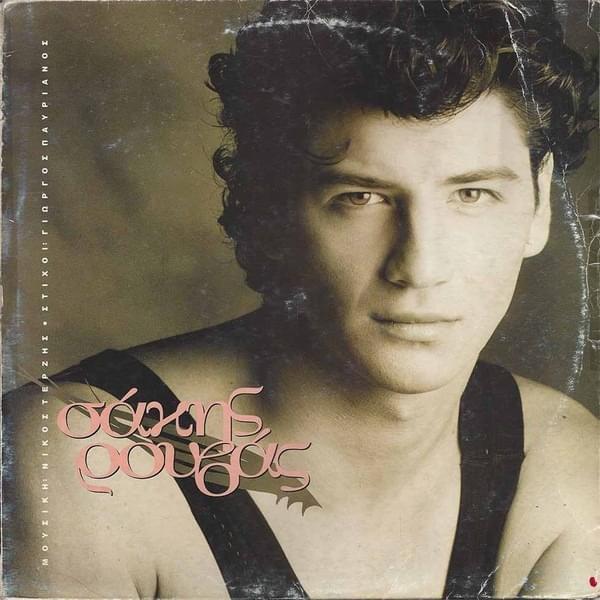
Sakis Rouvas's early hit, "Ego S' Agapo," isn't subtle in its declaration. The title itself, translating directly to "I Love You," sets the stage for a raw, almost desperate plea for reciprocation. Released in 1991, the song captures the fervent energy of youth, that intoxicating blend of vulnerability and unwavering conviction that characterizes first love. The lyrics avoid complex metaphors, opting instead for direct statements of devotion. It's a bold move, foregoing poetic nuance for immediate emotional impact, a strategy that clearly resonated with audiences at the time. The repetition of "Ego," the "I," underscores the singer's personal investment, his willingness to lay bare his feelings. The almost plaintive questioning—"What else do you want me to say? What else do you want me to give you?"—reveals a yearning that transcends mere infatuation. It speaks to a deeper desire for validation, a need to prove the authenticity of his emotions.
Rouvas frames the relationship as an all-consuming dream, stating that "the dream will always be you." This idealization, while characteristic of young love, also hints at a potential pitfall. By placing the object of his affection on such a high pedestal, he risks overlooking their flaws and complexities, projecting his own desires and fantasies onto them. The emphasis on creating a shared dream, "to build a dream, the two of us for a lifetime," speaks to a longing for permanence, a desire to solidify the fleeting intensity of the moment into something lasting. This impulse is natural, yet it also carries the weight of expectation, a pressure that can either strengthen or ultimately fracture the fragile bond.
Ultimately, "Ego S' Agapo" succeeds not through lyrical complexity but through its raw emotional honesty. It's a snapshot of youthful passion, capturing the exhilarating highs and inherent insecurities that come with baring one's soul. The song's enduring appeal likely lies in its universality, tapping into the fundamental human desire to be loved and accepted, and the vulnerability inherent in expressing that desire.
 View Artist