Song Meaning
The lyrics paint a picture of a seemingly idyllic "dream home" in Downey, California, complete with "palm trees" and the nostalgic sound of Karen Carpenter. This initial scene, however, is quickly undercut by a sense of unease. The "mother's holding baby" is disrupted by the baby's restlessness, a subtle hint that perfection is fleeting or perhaps a facade. This domestic tranquility feels fragile, a quiet tension simmering beneath the surface of a postcard-perfect setting.
The core conflict appears to revolve around a refusal to accept a harsh reality, specifically concerning a male figure. Phrases like "You don't, don't want to believe him now" and "Don't want to see him" suggest a deliberate turning away from truth. This is contrasted later with "You want, want to believe him now," implying a shift or a different perspective, perhaps a desperate attempt to cling to a desired narrative even when faced with evidence to the contrary. The repeated "You'll never feel" adds a chilling finality to this emotional struggle.
A striking image emerges with the "crystal hideaway" where someone is "asleep." The line "They used to take the head away" is particularly jarring, hinting at a dark past or a violent event, perhaps a historical reference or a metaphorical decapitation of truth. The idea of a woman whose story is "frozen on her lips" and who "could tell her daughter" but cannot, underscores a legacy of silenced narratives and unresolved trauma. This inability to speak, to pass down the truth, creates a profound sense of loss and confinement.
Ultimately, the effectiveness of these lyrics lies in their ability to juxtapose idealized imagery with unsettling undertones. The "dream home" becomes a stage for unspoken pain and a struggle with belief. The fragmented narrative and the recurring motifs of looking, not seeing, and frozen speech create a palpable sense of emotional confinement and the heavy weight of secrets. The "la-la-la" section, often associated with innocence or dismissal, here feels like a desperate attempt to drown out an uncomfortable truth, highlighting the difficulty of confronting painful realities.
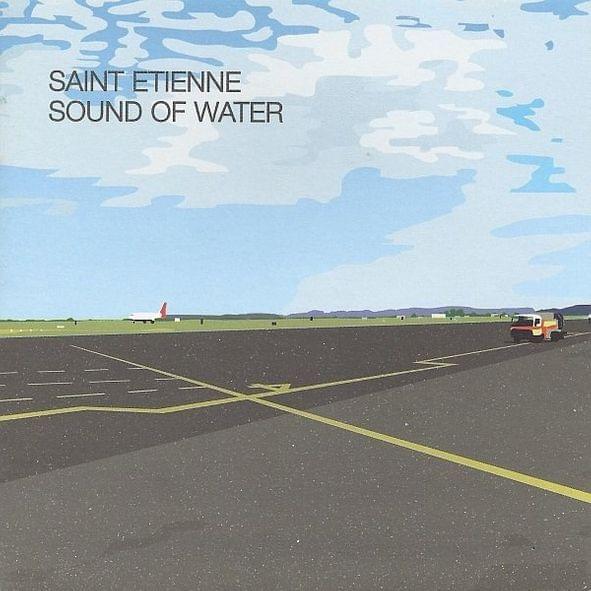
 View Artist