Song Meaning
The lyrics paint a picture of quiet stagnation, a room filled with potential actions – writing, thinking, intimacy – but ultimately settling into passive observation. The narrator stares out the window, lost in thought, letting time stretch out indefinitely. This stillness isn't peaceful; it feels heavy, a deliberate pause that stretches "for as long as it takes," suggesting an inability or unwillingness to move forward.
The central tension hinges on unspoken words, a recurring motif that permeates the song. The repeated phrase "Maybe it's the things we don't say" acts as a hesitant diagnosis for a fractured connection or internal malaise. This uncertainty culminates in the striking declaration, "love is the new maybe," reframing affection not as a certainty but as a question mark, a possibility perpetually deferred or doubted. The narrator seems to be grappling with a love that has become conditional, uncertain, or perhaps even lost.
The imagery of winter, with its "too many nights, not enough days," powerfully captures a sense of prolonged darkness and emotional scarcity. Watching birds fly south implies a natural, inevitable departure, a movement towards something better that the narrator is not part of. The line "The last words out of my mouth / Stay out of my way" suggests a desire for self-preservation, a need to protect oneself from further hurt or entanglement, even if it means remaining isolated in a "wrong place."
This lyrical landscape is effective because it taps into the quiet anxieties of modern relationships and personal inertia. The ambiguity of "the new maybe" resonates because it articulates a common feeling of love and connection being less of a given and more of a fragile, uncertain prospect. The song's power lies in its understated portrayal of emotional paralysis, where the absence of explicit conflict makes the underlying unease all the more palpable.
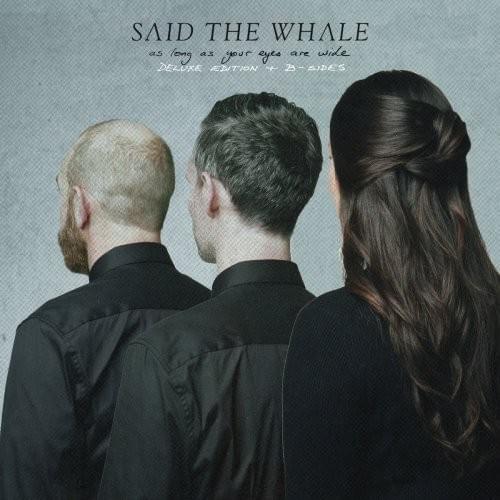
 View Artist