Song Meaning
"Adagio" immediately declares itself an instrumental piece, a bold move that strips away any lyrical crutch. This isn't a song with words; it's a soundscape. The absence of a vocal track forces an immediate, unfiltered engagement with the music itself.
Without a narrator's voice or explicit story, the track creates an open field for interpretation. This isn't a void, but a deliberate clearing, inviting the listener's own emotional landscape to take center stage. It seems to prioritize raw, unadulterated feeling over any defined narrative.
The true craft here lies in the composition's ability to communicate purely through sound. The title "Adagio" acts as the sole textual anchor, a musical instruction that dictates a slow, deliberate tempo. This single word becomes the primary guide, setting a contemplative and often profound expectation before a single note plays.
This approach hits hard precisely because it bypasses the analytical brain. By removing the verbal filter, "Adagio" appears to aim for an unmediated emotional experience, trusting the music to speak volumes without needing a single word. It's a powerful reminder of music's capacity to evoke profound feeling through pure sonic architecture.
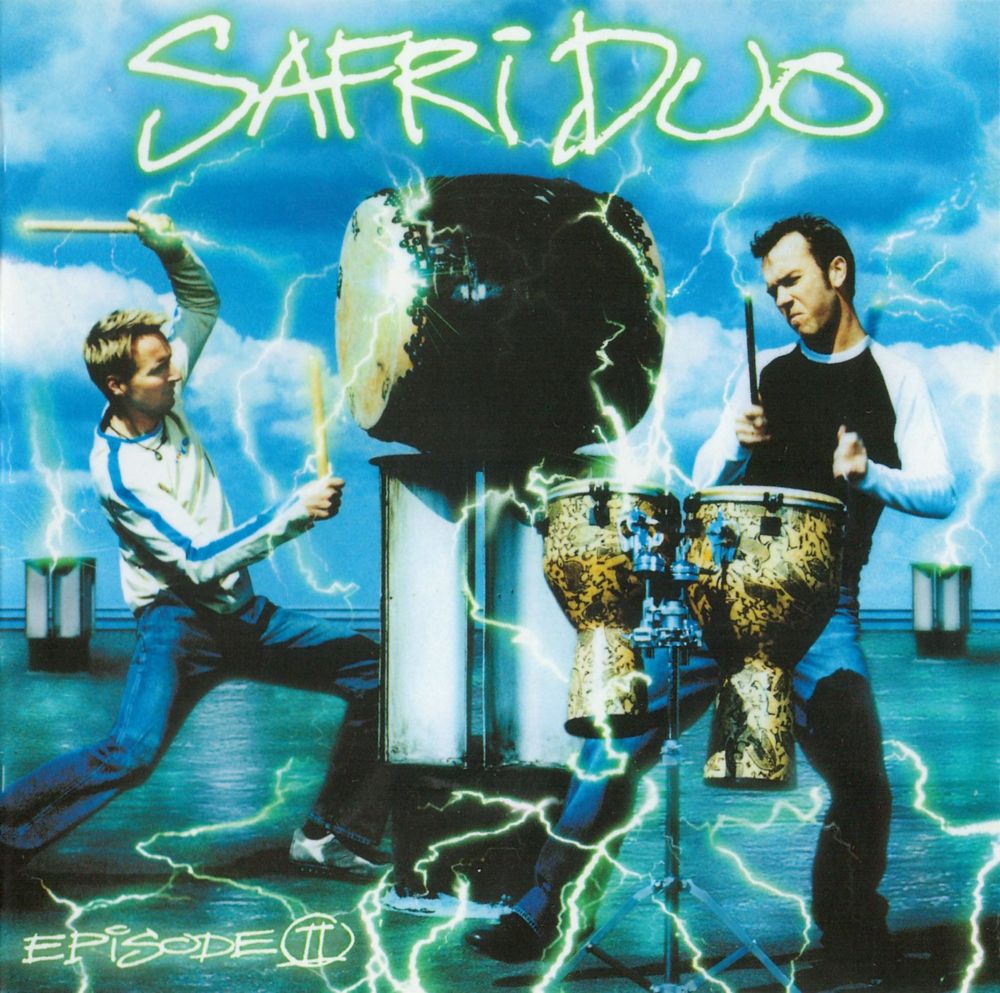
 View Artist