Song Meaning
The lyrics paint a picture of intense internal turmoil, starting with a dramatic, almost apocalyptic image: "Le soleil a explosé." This sets a tone of overwhelming dread, as the narrator repeatedly states "Je me cache" (I hide), seeking refuge "Dans les vues" (in the views/visions). This initial hiding feels like an attempt to escape an unbearable reality, a desperate retreat from an external force that feels like it's consuming them.
The central tension emerges from a perceived threat from nature, "Le lac va me manger" (The lake will eat me), which provokes "Ça m'enrage" (It enrages me). Yet, the narrator actively flees this danger. This is contrasted with the approach of "les autres" (the others). Initially, their search is dismissed as "C'est pas grave" (It's not serious), but this quickly shifts to "C'est très grave" (It's very serious) when the narrator decides to "Je les suis" (I follow them). This pivot suggests a complex relationship with external forces, perhaps a desire for connection or a surrender to a different kind of threat.
The most striking element is the repeated, stark declaration: "L'été est six pieds sous terre" (Summer is six feet underground). This powerful metaphor, hammered home three times, equates the death of summer with the burial of "mes rêves et ma tête d'enfant" (my dreams and my child's head). The repetition emphasizes a profound sense of loss and the extinguishing of innocence and hope, linking the external decay of a season to the internal death of youthful aspirations and a carefree state of mind.
This lyrical construction is effective because it uses visceral, almost surreal imagery to convey a deep emotional collapse. The shift from hiding from natural elements to following other people, coupled with the stark pronouncement of buried dreams, creates a disorienting yet potent emotional landscape. It captures a feeling of being overwhelmed by both internal despair and external pressures, leading to a profound sense of lost potential and a somber resignation.
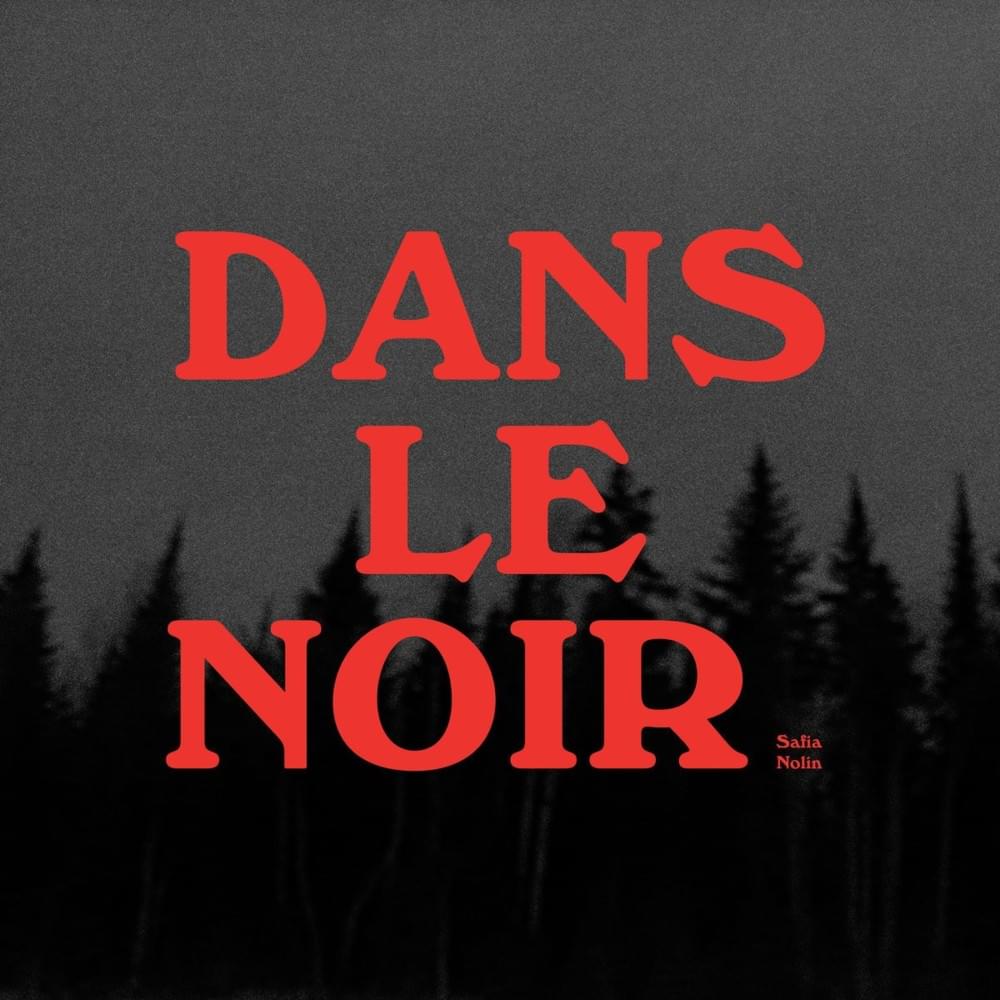
 View Artist