Song Meaning
This song paints a picture of sudden, overwhelming infatuation sparked by a dream. The narrator wakes with a profound feeling of love for Zekija, a love so potent it feels real, even though it originated in sleep. The lyrics immediately establish this dream-born affection, stating, "San usnio, pa ja te zavolio" (I had a dream, then I fell in love with you), setting a tone of bewildered yet earnest devotion.
The central tension lies in the blurring lines between the dream world and reality. The narrator's actions in the dream – kissing and embracing Zekija – translate into a persistent nocturnal visitation: "Svake noći, haj, dolaziš na oči" (Every night, hey, you come before my eyes). This repetition emphasizes the inescapable nature of the dream and its hold on the narrator's waking thoughts, creating a sense of longing and perhaps a touch of desperation.
The most striking aspect of the craft is the simple, direct repetition that mirrors the obsessive nature of the narrator's feelings. Phrases like "San usnio, pa ja te zavolio" and "San usnio, pa ja te poljubio" are echoed, reinforcing the singular event that triggered this emotional upheaval. This lyrical structure doesn't just tell us about the love; it makes us feel the persistent loop of the narrator's thoughts, stuck on that initial dream encounter.
Ultimately, the effectiveness of these lyrics comes from their unvarnished portrayal of how a single, vivid experience can seize one's consciousness. The narrator's plea, "nemoj mi se kriti" (don't hide from me), and the question about when this dream will become a "pusta želja" (vain wish) reveal a deep vulnerability. It’s the raw, almost childlike expression of a love that feels both intensely real and frustratingly out of reach, all stemming from a fleeting nocturnal vision.
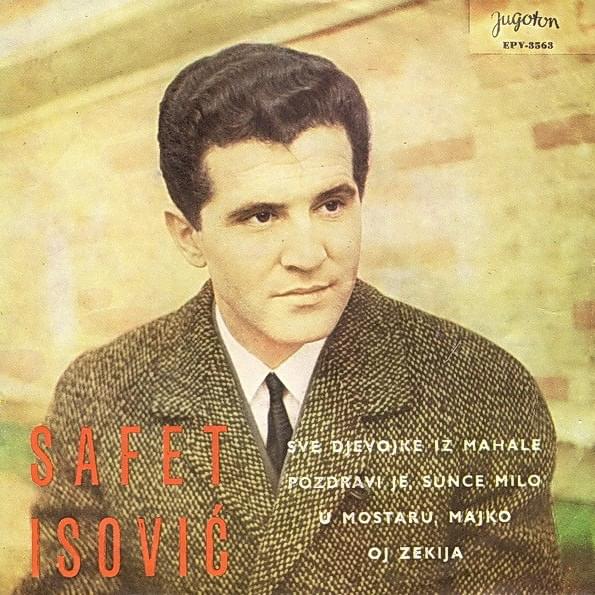
 View Artist