Song Meaning
The lyrics open on a familiar scene: a person returning home as dawn breaks, met by a tender greeting from a window. "Idem kući, a već zora" immediately sets a weary, late-night tone. There's an intimate, established rhythm to this interaction, a quiet moment between two people at the edge of a new day.
A central tension quickly emerges between the narrator's apparent late-night habits and a deep emotional vulnerability. The line "Liječio sam srcu rane" suggests a past struggle, perhaps hinting at the reasons for these dawn returns. This past pain is juxtaposed with an intense, present longing, as the narrator confesses, "Za tobom mi srce puče."
The craft here shines in the use of specific terms of endearment, like "Luče" (a diminutive suggesting light or a beloved one) and "slatko lane" (sweet fawn), which immediately establish a deeply affectionate bond. This tender language underpins the narrator's grand, almost desperate, declarations. The repetition of the promise to give up the taverns, should the other person commit, underscores the weight of this potential sacrifice, revealing a significant habit the narrator is willing to abandon for a shared future.
These lyrics effectively capture the raw, passionate negotiation of love and personal change. The narrator's willingness to give up a known comfort for a "vreli" (hot) kiss and a deeper connection makes the emotional stakes incredibly clear. It's a powerful depiction of how profound desire can inspire a yearning for transformation, making the listener feel the depth of this plea for connection and a new beginning.
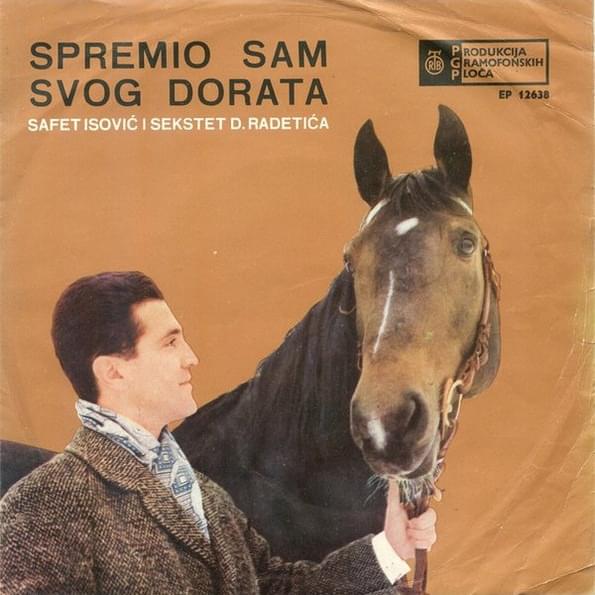
 View Artist