Song Meaning
The lyrics paint a picture of a dramatic, almost apocalyptic farewell, set against a backdrop of fading light and shared intimacy. The opening lines, "Comme un soleil de fin de siècle / Qui se couche entre tes bras," establish a mood of melancholic beauty and finality, suggesting a moment suspended in time. The narrator proposes an escape, a joint departure, framing it as a potentially beautiful end: "C'est un joli soir pour mourir." This juxtaposition of death and beauty creates an immediate emotional tension, hinting at a profound, perhaps desperate, need to leave a current reality.
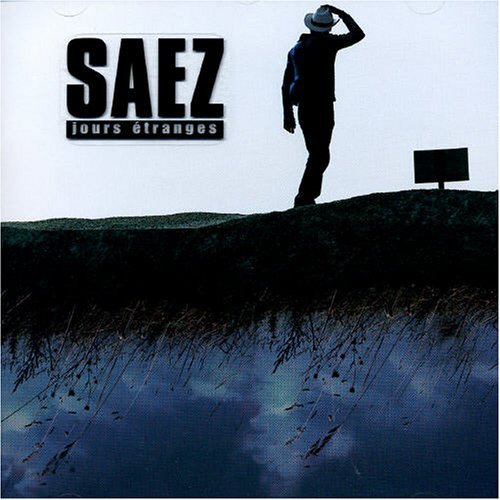
The central conflict seems to be a rejection of societal or familial judgment, driving the desire to escape. The narrator declares, "Moi j'irai tuer mon père / Non je ne suis pas un ange," a stark image that signifies a radical break from the past and an embrace of perceived sin or transgression. This act is presented not out of malice, but as a necessary step to "toucher la lumière / En ces jours étranges." The phrase "jours étranges" itself suggests a world out of joint, where conventional morality is insufficient or even oppressive, necessitating extreme measures for solace.
The imagery of the second verse amplifies this sense of otherworldly or forbidden adventure. The narrator invites a companion to "voir si le diable veut danser / Si dans nos yeux brûle l'écume / De ces océans enflammés." This is not a gentle escape but a plunge into elemental, possibly dangerous, forces. The question "Au nom de qui ? / Au nom de quoi ?" directed at the condemning gods, underscores a profound disillusionment with established authority, seeking instead a shared peace found in mutual departure and defiance.
Ultimately, the effectiveness of these lyrics lies in their potent blend of romantic fatalism and defiant rebellion. The repetition of "Demain je m'en irai peut-être / Si tu viens avec moi" in the final verse transforms the initial proposal into a plea, emphasizing the dependence on the companion for this radical act of liberation. The writing crafts a world where love and death are intertwined, where escaping condemnation requires embracing the strange and the forbidden, making the proposed departure feel both terrifying and irresistibly alluring.
 View Artist