Song Meaning
These lyrics paint a vivid portrait of a beloved northern land. It's an ode, brimming with deep affection and unwavering loyalty. The speaker directly addresses the land, celebrating its ancient beauty and serene joy.
A core emotional tension arises from the land's dual nature: both "silent" and "joy-rich." This intriguing contrast suggests a profound, perhaps introspective, happiness that doesn't require outward fanfare. This serene contentment is then juxtaposed with a powerful historical legacy, where its "honored name flew" over the earth in "ancient great days."
The craft here is particularly effective in its use of direct address and repetition. The speaker repeatedly hails the land with "Du" (You), creating an intimate, almost reverent dialogue. Phrases describing its natural beauty are repeated, not just for emphasis, but to etch these idyllic images into the listener's mind, grounding the abstract love in tangible beauty.
Ultimately, these lyrics hit hard because they articulate an absolute, unconditional devotion. The speaker's certainty that the land "is and remain" what it was culminates in the powerful, repeated declaration: "live I want to die in the North." This isn't just patriotism; it's an existential commitment, making the land an intrinsic part of the speaker's very being, resonating with anyone who feels such a profound connection to a place.
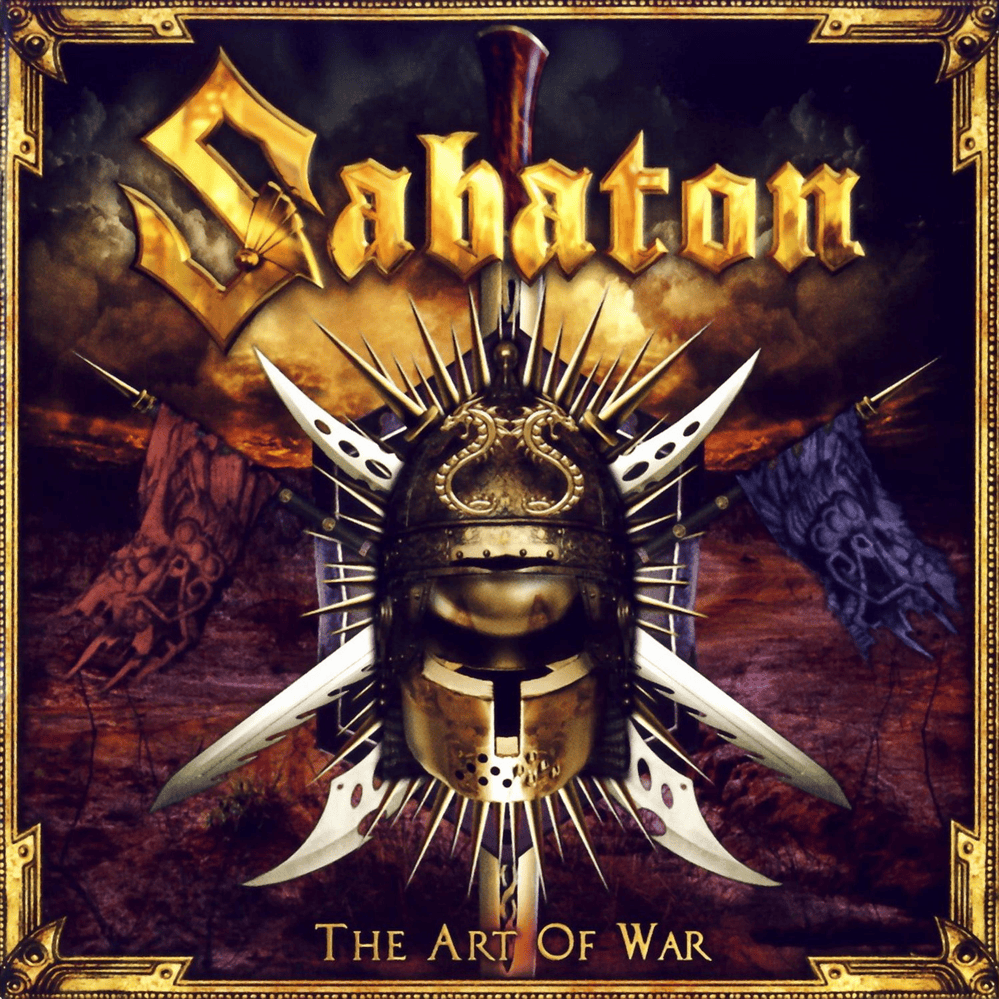
 View Artist