Song Meaning
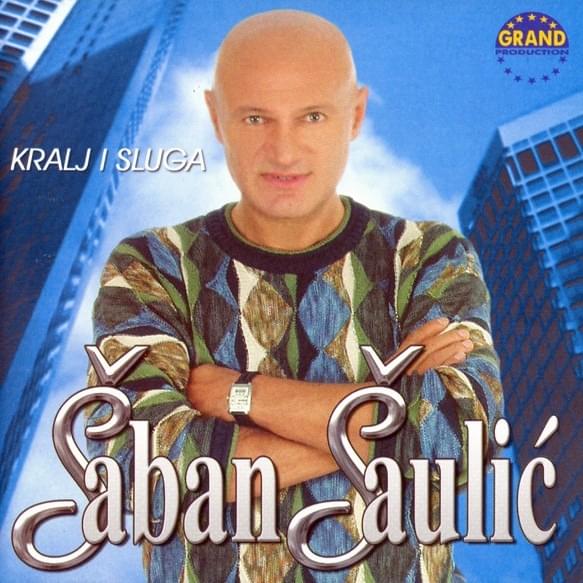
The lyrics immediately establish a speaker caught in the grip of a powerful, unbalanced relationship. They declare a refusal to "die for you," yet confess an inability to move on. This sets up a core tension between self-preservation and enduring attachment. The central image of being a "king" to others but a "servant" to one person immediately defines the emotional landscape.
The opening lines, "da zbog tebe umrem, ja ne mogu i ne treba" (to die for you, I cannot and I should not), immediately establish a defiant stance against an implied demand for ultimate sacrifice. This declaration of self-preservation, however, is quickly complicated by the chorus and the second verse. The speaker knows what they *shouldn't* do, yet struggles profoundly with what they *can't* do, revealing a deep internal conflict between rational judgment and persistent emotional entanglement.
The most striking element of craft appears in the chorus: "Ime ti je ljubav, a prezime tuga" (Your name is love, and your surname is sorrow). This brilliant personification and oxymoron concisely reveals the true, deceptive nature of the relationship. It suggests a connection that presents itself as "love" but whose fundamental identity, its "surname," is "sorrow," a cruel irony at its very core. This clever wordplay encapsulates the speaker's profound disillusionment and the inherent contradiction of their feelings.
The constant repetition of the chorus reinforces the speaker's inescapable truth, like a wound that won't heal. The "king" to all others, "servant" to this one person, vividly portrays a profound power imbalance. This contrast highlights how a single relationship can strip away one's perceived strength and autonomy, making the speaker's internal struggle intensely palpable and relatable.
 View Artist