Song Meaning
The lyrics paint a picture of a crossroads, where life presents multiple paths, each seemingly valid. One leads to riches, another to love. Yet, the narrator expresses a profound unwillingness to choose either, highlighting a paralyzing state where "everything is possible" but paradoxically, the self ceases to exist in this indecision. This initial scene sets up a core tension: the fear of commitment and the potential loss of self that comes with definitive choices.
The central conflict emerges from the necessity of sacrifice to achieve anything meaningful. The narrator grapples with the idea of "many lives but only one held," and "a thousand stories but only one you can tell." This suggests a deep-seated anxiety about the finite nature of existence and the irreversible consequences of choosing one path over countless others. The phrase "a century of time may finish it, you know it" underscores the vastness of potential and the daunting reality of limited time, leading to an inability to even begin.
A particularly striking element is the introduction of two more paths: the "third calls to the unknown" with no guarantees, and the "fourth shouts I am your dream." These starkly contrast the earlier, more tangible promises of wealth and love, presenting an even greater leap of faith or a potentially all-consuming ambition. The repetition of "you don't want either" in relation to these paths reinforces the narrator's persistent avoidance, even when faced with the allure of the unknown or the siren call of a dream.
Ultimately, the effectiveness of these lyrics lies in their stark portrayal of existential paralysis. The writing doesn't offer easy answers but rather articulates a profound, relatable fear of making the wrong choice and the subsequent loss of identity. The repeated lines, especially "But you don't dare to start," hammer home the central theme of inaction born from an overwhelming sense of possibility and the fear of irreversible commitment.
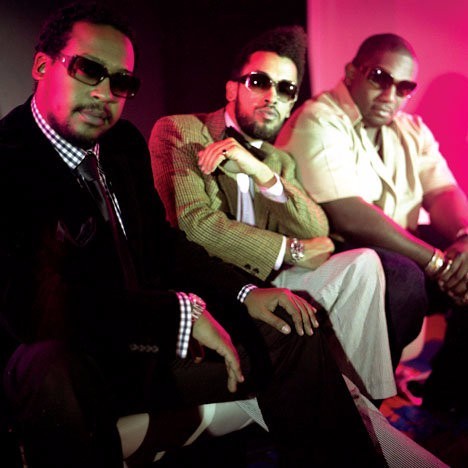
 View Artist