Song Meaning
The lyrics paint a stark picture of a relationship teetering on the edge of oblivion, set within a clandestine "lover's hideout." The opening lines immediately establish a sense of decay and foreboding, with the narrator observing a chilling transformation in their partner, describing their "body dried out" and seeing "death in you." This intense, almost morbid intimacy creates a claustrophobic atmosphere, suggesting a space where the usual rules of life and love are suspended.
The central tension arises from the narrator's profound sense of wasted time and willful ignorance. The repeated phrase "wasted all my time on witness" implies a passive, perhaps even complicit, role in observing the relationship's decline. This is amplified by the declaration of being "blind from the stillness," a powerful image suggesting that the lack of movement or change has rendered them unable to see the truth. The desire to "ride out" with their lover, repeated throughout, becomes a desperate plea to escape this stagnant reality, even if it means continuing to exist in denial.
The recurring motif of "hideout" versus "ride out" is particularly striking. The "hideout" represents their secluded, perhaps unhealthy, shared space, a place of both refuge and decay. Conversely, "ride out" suggests an active escape, a movement away from the stillness and blindness. The lyrics also play with the duality of "high doubt" and "lover's hideout," hinting that the very foundation of their love is precarious, yet they remain holed up together. The shift from "dried out" to "golden in hue" when their "bodies roll out" offers a fleeting, perhaps illusory, moment of vitality before the chorus returns to the theme of stagnation.
Ultimately, these lyrics resonate because they capture the agonizing paralysis of being trapped in a failing situation, unable to act or even fully perceive the danger. The craft lies in the stark, almost clinical imagery juxtaposed with the raw emotional confession of wasted time and blindness. It’s the quiet horror of watching something die while being too close, too still, or too unwilling to look away that makes this a potent, unsettling portrait of love in crisis.
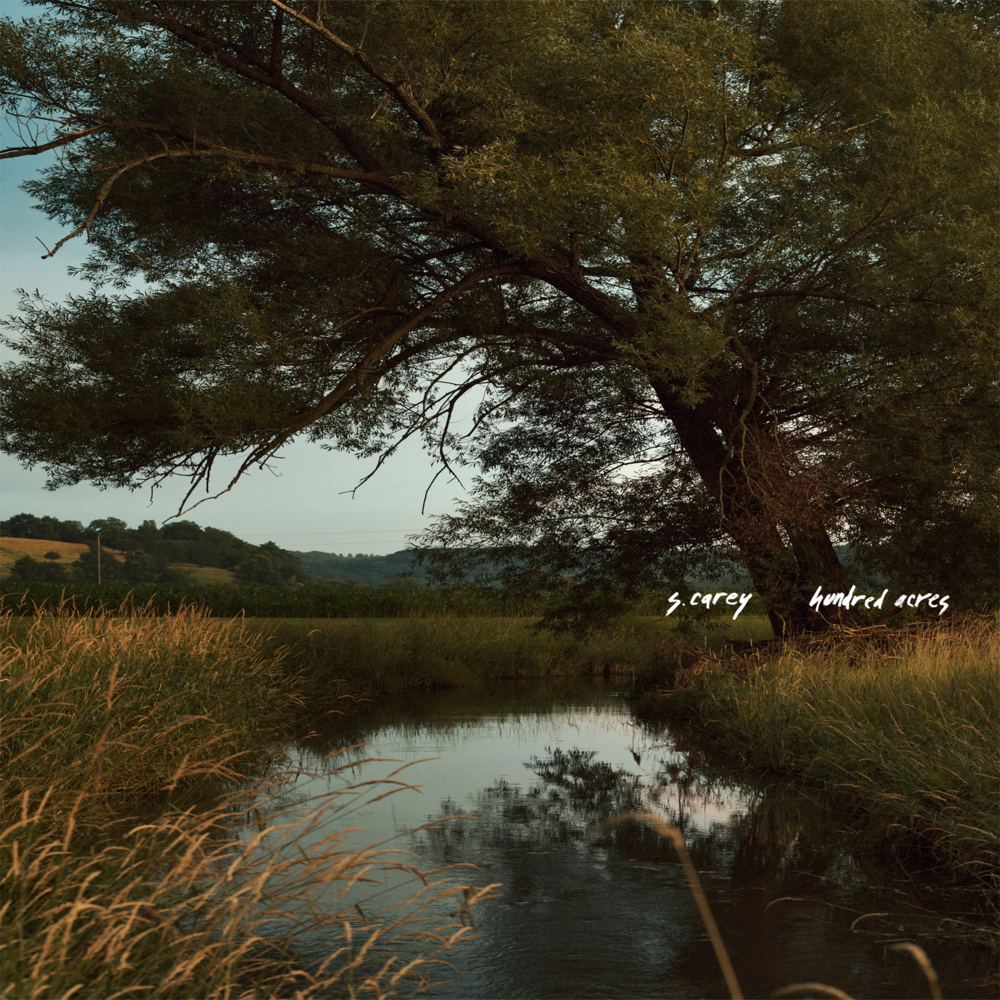
 View Artist