Song Meaning
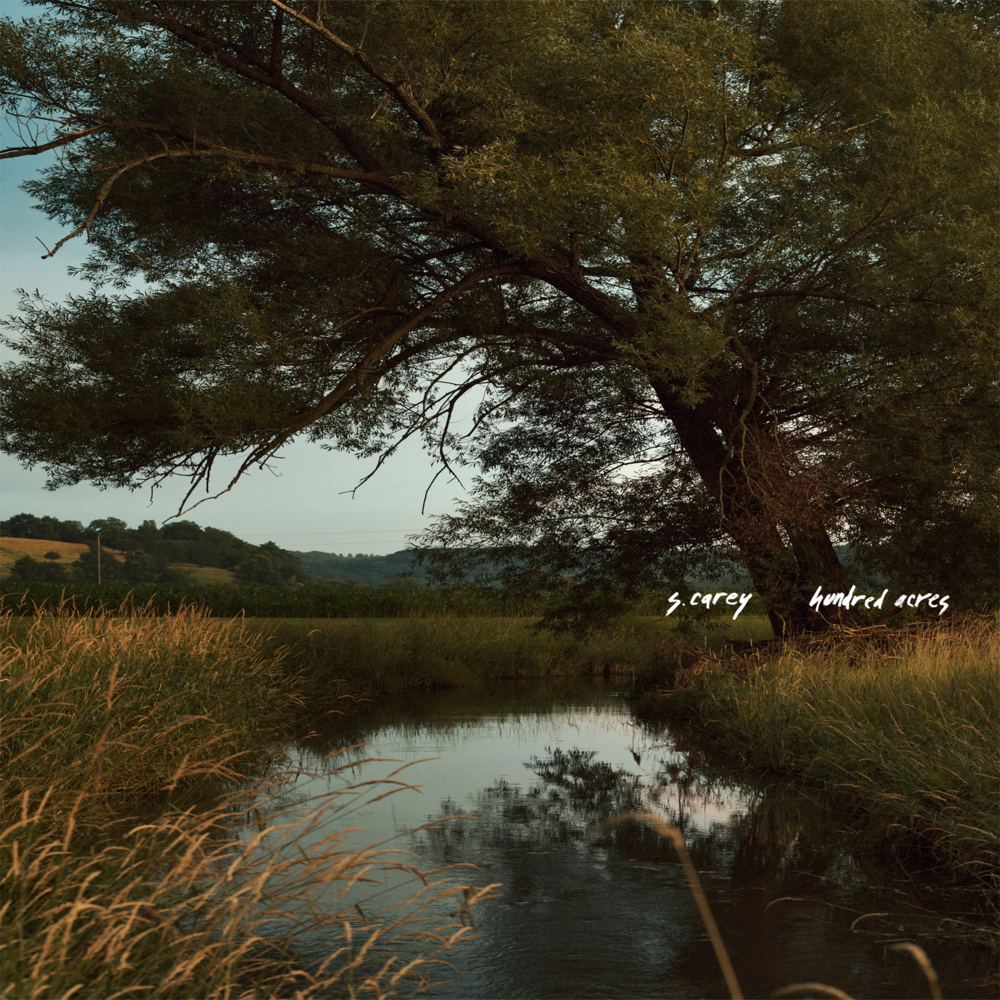
The lyrics paint a picture of a steadfast presence, offering solace and guidance through difficult times. The narrator positions themselves as a constant, rooted in the natural world – "here in the needles and the cones." This grounding suggests a deep, unwavering support, a place the listener can always return to when feeling isolated. The invitation to "wade the river" implies a willingness to navigate challenges together, emphasizing the ceaseless flow of life and its inherent continuity.
The central tension arises from the repeated, almost pleading question: "Have you stopped to notice?" This refrain highlights a disconnect, a sense that the listener is perhaps overwhelmed or distracted, failing to perceive the support and beauty available. The lyrics suggest a universal human struggle to acknowledge the present moment and the resources at hand, especially during periods of darkness, like the "deadly, dark afternoon" of a particular time of year.
The craft here hinges on the contrast between the narrator's persistent presence and the listener's apparent inattention. The simple, direct language of the verses builds a foundation of reassurance, while the insistent chorus acts as a gentle, yet urgent, wake-up call. The final, almost whispered addition of "Your beauty" to the chorus shifts the focus, implying that what needs noticing is not just the narrator's support, but the listener's own inherent worth, which might be overlooked in their struggles.
Ultimately, the effectiveness of these lyrics lies in their quiet insistence and gentle redirection. They don't offer grand solutions but rather point toward an internal shift – the act of noticing. By grounding their support in nature and the simple act of observation, the lyrics create a space for reflection, suggesting that true change and recognition begin with simply paying attention to what is already there, both externally and within oneself.
 View Artist