Song Meaning
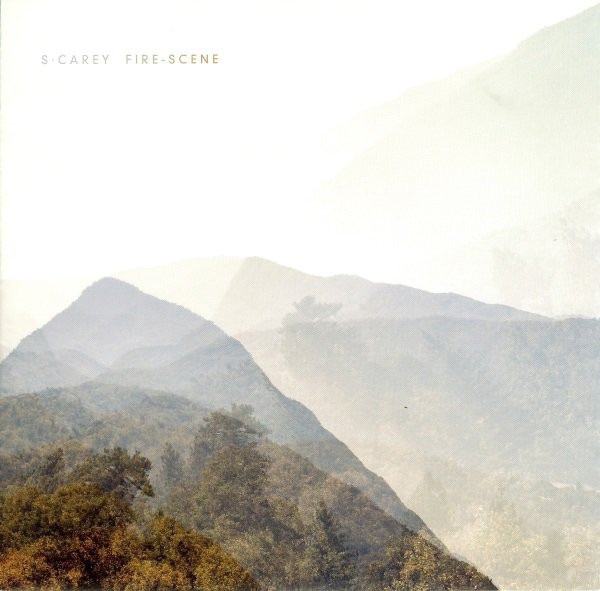
The lyrics paint a picture of a transformative moment, hinting at a significant shift in perception and being. The opening lines suggest a newfound clarity, where the subject can "see the clouds approach for miles" and view the "forest from new eyes." This implies a heightened awareness, a departure from previous limitations, and a readiness to "intertwine" with this new reality. The repeated question, "Wouldn't you hide it in the fog?" introduces a central tension, questioning whether this newfound clarity or the self that possesses it would be concealed from the world.
The core conflict seems to revolve around the vulnerability that comes with change and heightened perception. The "brave new world" is described as "slipping on a slide," suggesting instability or a precariousness to this new state. The desire to "hide it in the fog" implies a fear of exposure, perhaps of the transformation itself or the potential consequences of being seen in this altered state. The idea of checking "the falls from the other side" further emphasizes a detached observation of potential danger or downfall.
The most striking craft element is the insistent repetition of "Wouldn't you hide it in the fog?" This refrain acts as a haunting question, underscoring the internal debate about revealing or concealing the transformation. The bridge offers a glimpse of the process: "The rain came, brought new life; We shedded shells." This imagery directly connects to the idea of a chrysalis, a natural process of shedding the old to embrace the new, suggesting that the "fog" might be a temporary state of transition or a defense mechanism before fully emerging.
Ultimately, these lyrics resonate because they capture the universal experience of profound personal change and the accompanying anxiety. The contrast between the clear-eyed perception of the new reality and the urge to obscure it creates a compelling emotional landscape. The writing effectively uses natural imagery – clouds, forest, fog, rain, shells – to evoke a sense of organic, yet potentially perilous, metamorphosis, metamorphosis, metamorphosis, metamorphosis.
 View Artist