Song Meaning
The lyrics paint a stark picture of internal turmoil and a yearning for escape. The repeated imagery of a "dream storm" (夢嵐) and "sandstorm" (砂嵐) that are "rotting away" (朽ち果てて) and "blowing wildly" (吹き荒れる) establishes a sense of overwhelming chaos and decay. This initial bleakness suggests a state of being trapped, where even dreams are corrupted and the environment is hostile. The narrator seems to be battling forces that are both internal and external, creating a palpable sense of distress.
Despite the pervasive darkness, a counter-narrative emerges, driven by a desire for a better place. The "golden color" (黄金色) that is "calling" (呼んでいる) and the pursuit of "paradise" (楽園) offer a glimmer of hope. This pursuit is framed as an effort to "reach" (たどいつけ) it, implying a struggle and a journey. The contrast between the destructive storms and the beckoning golden light creates a central tension: the fight to escape a destructive present for a hopeful future.
The lyrics employ a cyclical structure, reinforcing the feeling of being caught in a loop. The repetition of the storm imagery and the golden call creates a push and pull, a constant oscillation between despair and aspiration. The chorus, with its image of birds flying "in flocks" (群をなして) and striking "the song of the earth" (大地の歌), suggests a collective movement or a natural force that is powerful and perhaps liberating. This collective action contrasts with the solitary struggle implied by the storm imagery, hinting at a potential for shared escape or a natural order that transcends individual suffering.
Ultimately, the effectiveness of these lyrics lies in their stark, almost primal, evocation of struggle. The simple, direct language and the powerful, recurring images create an immediate emotional impact. The juxtaposition of destructive forces with the promise of paradise, and the cyclical nature of the verses, leaves the listener with a sense of enduring conflict and the persistent, almost instinctual, drive to find solace and meaning, even when surrounded by overwhelming hardship. The final lines, "Joy is for living" (歓びは生きる為に), serve as a stark reminder of the fundamental purpose behind the struggle.
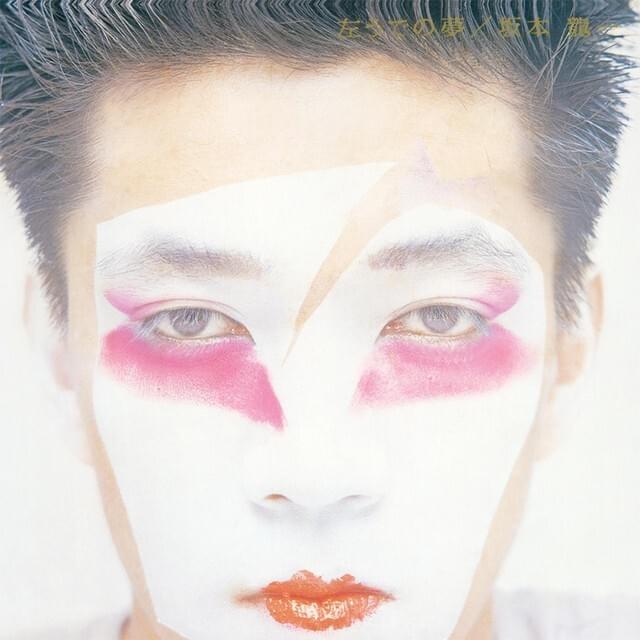
 View Artist