Song Meaning
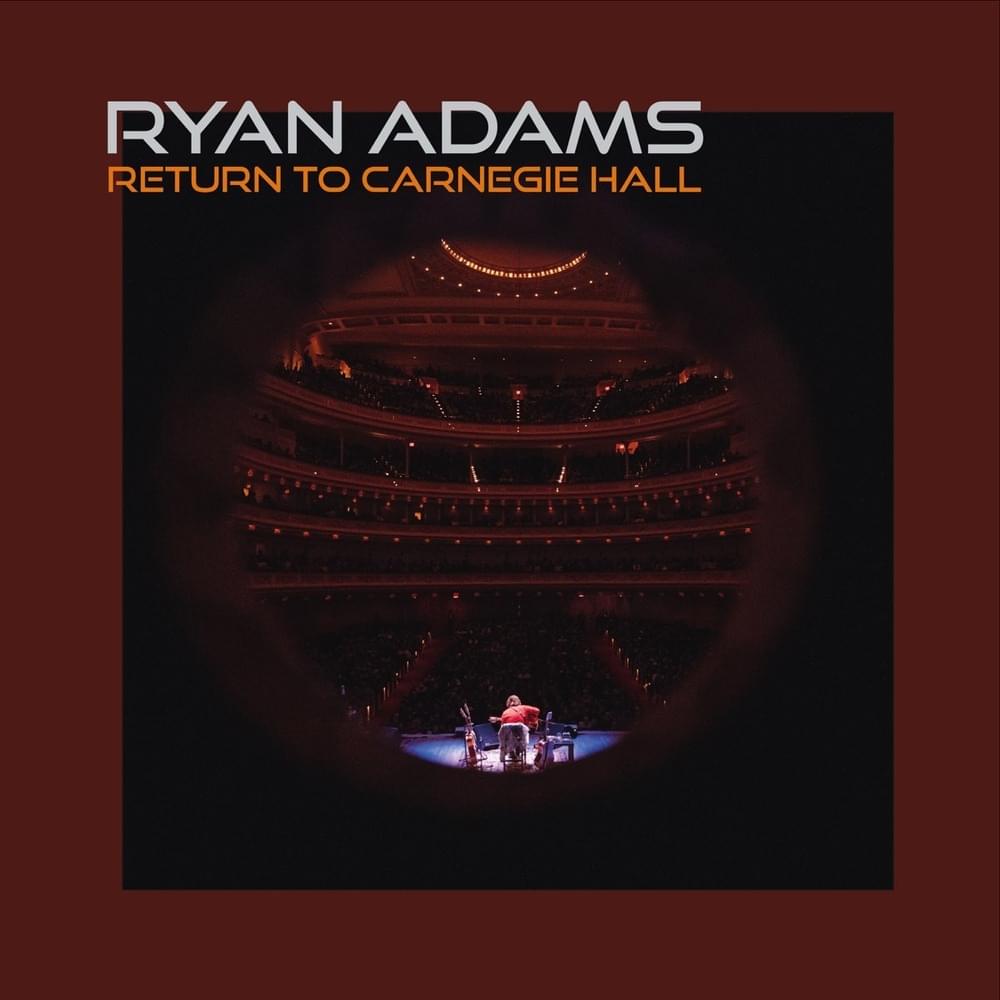
Ryan Adams' "When The Stars Go Blue," especially in the stark intimacy of the Carnegie Hall live version, operates as a haunting exploration of love, loss, and the places we retreat to when vulnerability overwhelms us. The repeated image of "dancing" isn't joyful abandon; it's a fragile, almost desperate act. The "wooden shoes" and "wedding gown" suggest a performance, a constructed identity adopted to navigate the complexities of a relationship, possibly one that has fractured. The setting shifts from a romanticized, celestial space ("where the stars go blue") to the gritty reality of "7th street" and "the underground," mirroring the internal descent into loneliness and perhaps even addiction. The question "Are you happy now?" cuts through the performance, exposing the raw nerve of unfulfilled expectations.
The chorus, a simple yet profoundly resonant series of questions, is the song's emotional core. "Where do you go when you're lonely?" isn't just a query; it's an invitation, a promise of unwavering devotion, even in the face of self-destruction. The repeated line "I'll follow you" borders on obsession, highlighting the codependent nature of the relationship. The "stars go blue" metaphor could represent a shared sadness, a melancholic state where beauty and despair intertwine. It's the emotional landscape where both partners reside, a place the narrator is willing to inhabit, even if it means losing himself in the process.
The final verse deepens the ambiguity. The subject's laughter is tainted by "broken eyes," suggesting a forced happiness, a mask concealing deep pain. The "lover's tongue" and "lullaby" hint at intimacy, but also at a potentially manipulative or soothing presence that perpetuates the cycle of loneliness. Ultimately, the song meaning of "When The Stars Go Blue" lies in its unflinching portrayal of the lengths we go to for love, even when that love is steeped in sadness and the stars themselves seem to weep. It's a portrait of vulnerability laid bare, amplified by the haunting simplicity of Adams' performance.
 View Artist