Song Meaning
Ryan Adams's "Tennessee Sucks" isn't a travel advisory; it's a sardonic postcard from a very specific, stifling ennui. The song meaning resides not in geographical loathing, but in the suffocating atmosphere of a scene, a season, and a state of mind. The opening lines drip with contempt, observing someone's performative angst with a sneer ("Waving your arms like a girl / Suckin' down your cloves"). It's the posture of disillusionment, and Adams is calling bullshit. The escape sought isn't from Tennessee itself, but from the cloying pretension it seems to embody in the summer months. The repeated refrain, "Tennessee sucks, in the summer / What do you got that can put us under?" isn't a literal complaint, but a yearning for oblivion, a plea for anything to numb the psychic heat. It's a distinctly Southern Gothic impulse, finding darkness and decay beneath the veneer of charm. The specific Nashville references – 12th & Porter, The Bound'ry – ground the song in a hyper-local reality.
The verses paint a picture of a stagnant social ecosystem. Johnny B's observation about a band with good songs that "just don't draw" speaks to the frustrating realities of the music business, the feeling of being creatively stifled in a place that should be a hotbed of opportunity. Adams's mention of ordering rounds he probably won't pay for suggests a recklessness born of desperation. It’s the ennui of a certain kind of artist, stuck in a certain kind of place, surrounded by a certain kind of scene. The desire to "get something blue to put us out of our way" is a clear allusion to substance use as a means of escape.
Ultimately, "Tennessee Sucks" is a portrait of self-medicating disillusionment. It's about the feeling of being trapped, not by a location, but by the weight of expectation, the pressure to conform, and the gnawing feeling that something essential is missing. The 'sucks' isn't about the place, it’s about the soul-crushing weight of unmet potential and the desperate search for release. The raw, almost off-the-cuff delivery only amplifies the sense of authenticity, making it a compelling snapshot of a particular kind of artistic struggle.
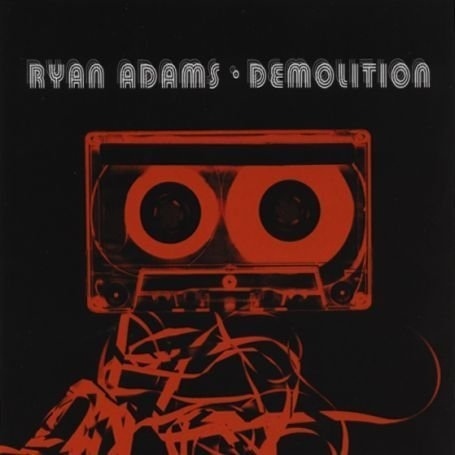
 View Artist