Song Meaning
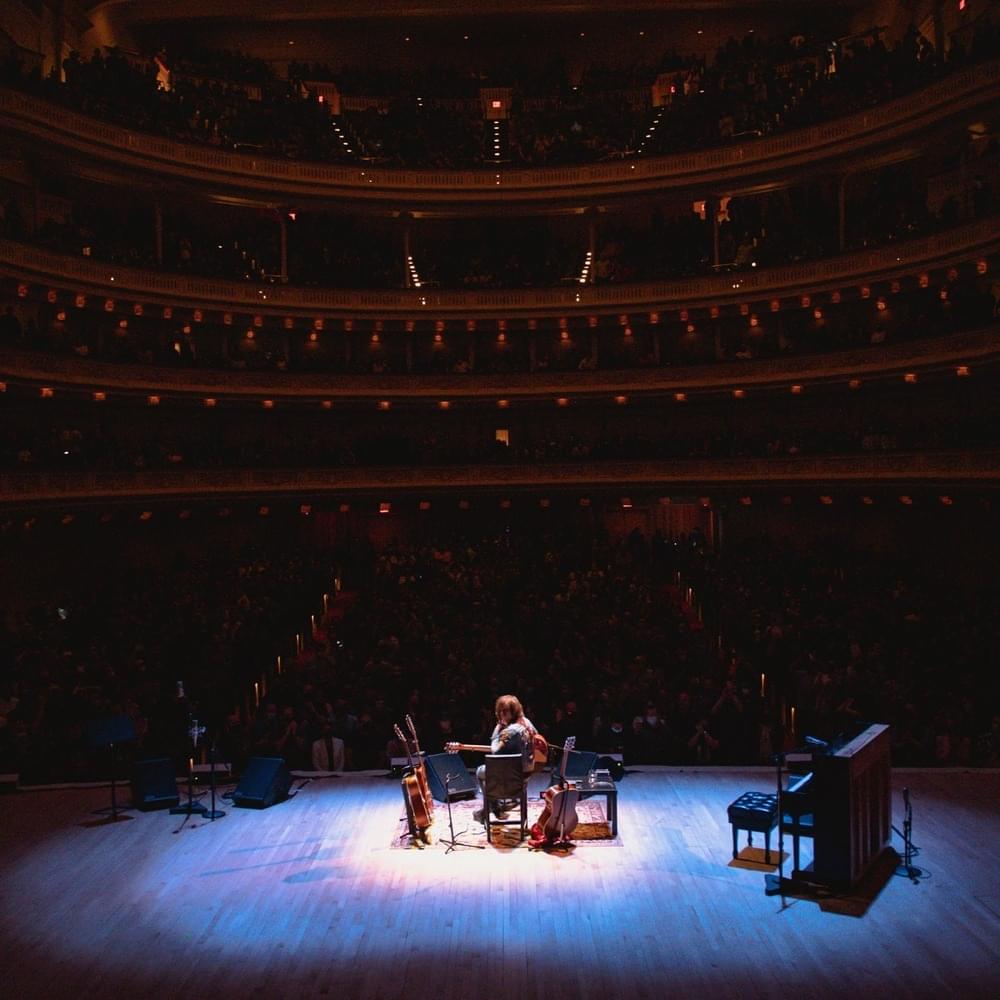
Ryan Adams's "Prisoner," especially in this live Carnegie Hall rendition, isn't just a breakup song; it's a psychological portrait of self-imposed confinement. The stark simplicity of the lyrics, delivered with Adams's signature vulnerability, cuts straight to the bone. The opening verse, "Free my heart, somebody locked it up," isn't about a literal jail cell, but the prison built within the speaker's own emotional landscape. The "grey walls" and "grey clothes" become metaphors for the monotony and emotional drabness that consumes someone trapped in a destructive cycle. The yearning for freedom, the "taste" of it just beyond reach, highlights the agonizing awareness of one's own captivity.
The chorus, with its repeated declaration "I am a prisoner for your love," is where the song's meaning truly crystallizes. It's a confession, an acceptance of culpability. The speaker acknowledges that this love, however intoxicating, has become a cage. The line "I know our love is wrong, I am a criminal" suggests a moral dimension to this imprisonment. It's not just about being trapped, but about participating in something that feels inherently wrong, perhaps even damaging. The criminal element might indicate a relationship built on secrets, lies, or some form of transgression, where the 'crime' is the love itself.
The second verse introduces the image of a bird landing on the windowsill, a potent symbol of freedom juxtaposed against the speaker's confinement. "How can something born with wings ever know freedom to truly be free?" This line speaks to the nature of freedom itself – is it merely the absence of physical restraint, or something deeper, a state of mind? The final lines, about counting memories each night, underscore the obsessive nature of this confinement. The past, represented by these memories, becomes both a source of comfort and a form of torture, further cementing the prison walls. In essence, "Prisoner" is a stark exploration of how love, in its most twisted form, can become a self-inflicted sentence, a cage built from longing, regret, and the haunting echoes of what once was.
 View Artist