Song Meaning
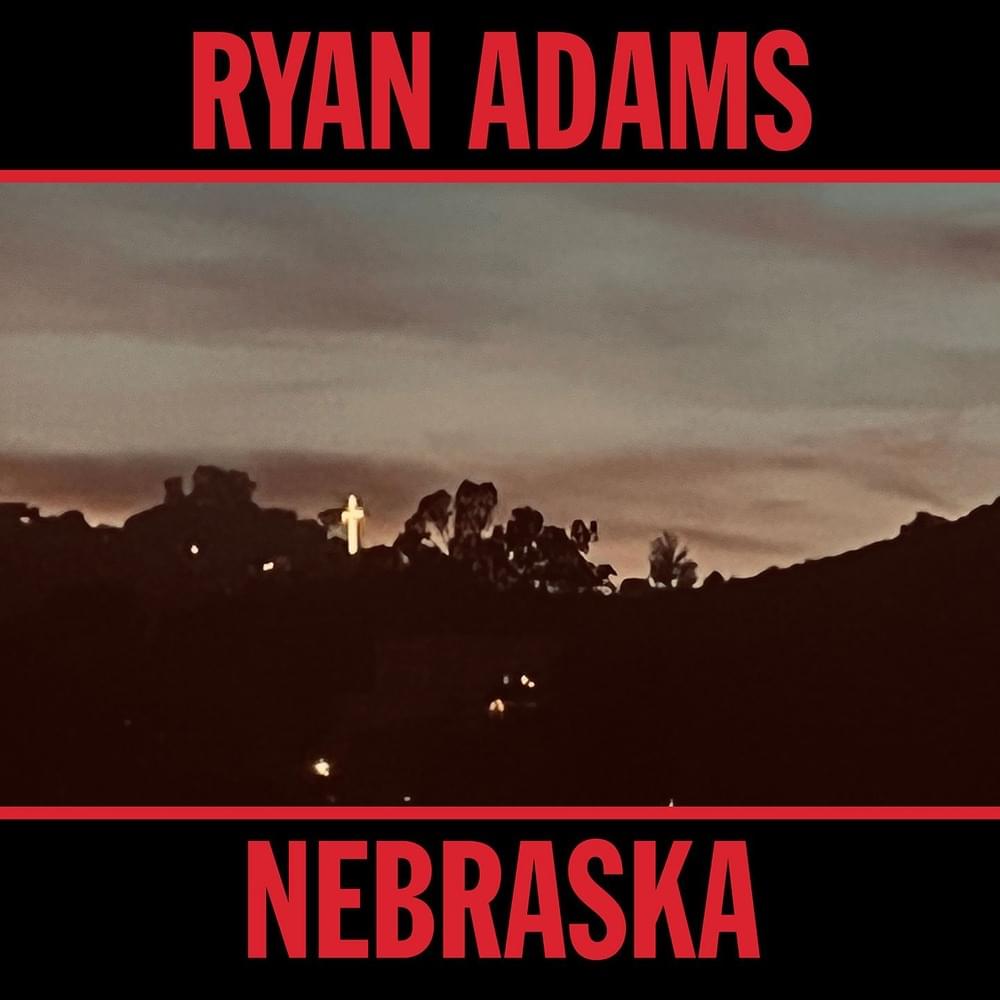
Ryan Adams's interpretation of Bruce Springsteen's "Nebraska" (yes, a cover song) is a chilling plunge into the heart of American darkness, stripped bare and delivered with a disconcerting intimacy. The song's power lies not in its narrative—a spree killer's confession—but in the unsettling banality with which that narrative unfolds. We're not given a motive, a justification, or even a flicker of remorse beyond the killer's admission that "me and her we had some fun." This is not a tale of tortured souls, but of a chillingly affectless void. Adams doesn't flinch from the brutality; he leans into it, forcing us to confront the uncomfortable truth that evil can be mundane, even banal.
The setting, evoked by the title itself, is crucial. Nebraska, and the subsequent journey through Wyoming's badlands, paints a portrait of desolate landscapes mirroring the emptiness within the narrator. It's a vision of rural America stripped of its romanticism, revealing a breeding ground for violence and despair. The "sawed-off .410 on my lap" becomes a symbol of readily available destruction, a casual accessory in a world where life seems cheap. The mention of "ten innocent people" isn't delivered with regret, but with a disquieting nonchalance that speaks volumes about the killer's detachment from humanity.
The final verse, with its stark imagery of the death sentence, offers a disturbing twist. The killer's only request is to have his "pretty baby" present at his execution, sitting on his lap as the switch is pulled. This isn't an act of love or redemption; it's a final assertion of control, a grotesque parody of intimacy. It suggests a co-dependency, a shared descent into madness where even death is a shared experience. Ultimately, Ryan Adams's "Nebraska" isn't just a story of violence; it's a psychological portrait of the abyss, a glimpse into the chillingly ordinary face of evil and its co-dependent relationships.
 View Artist