Song Meaning
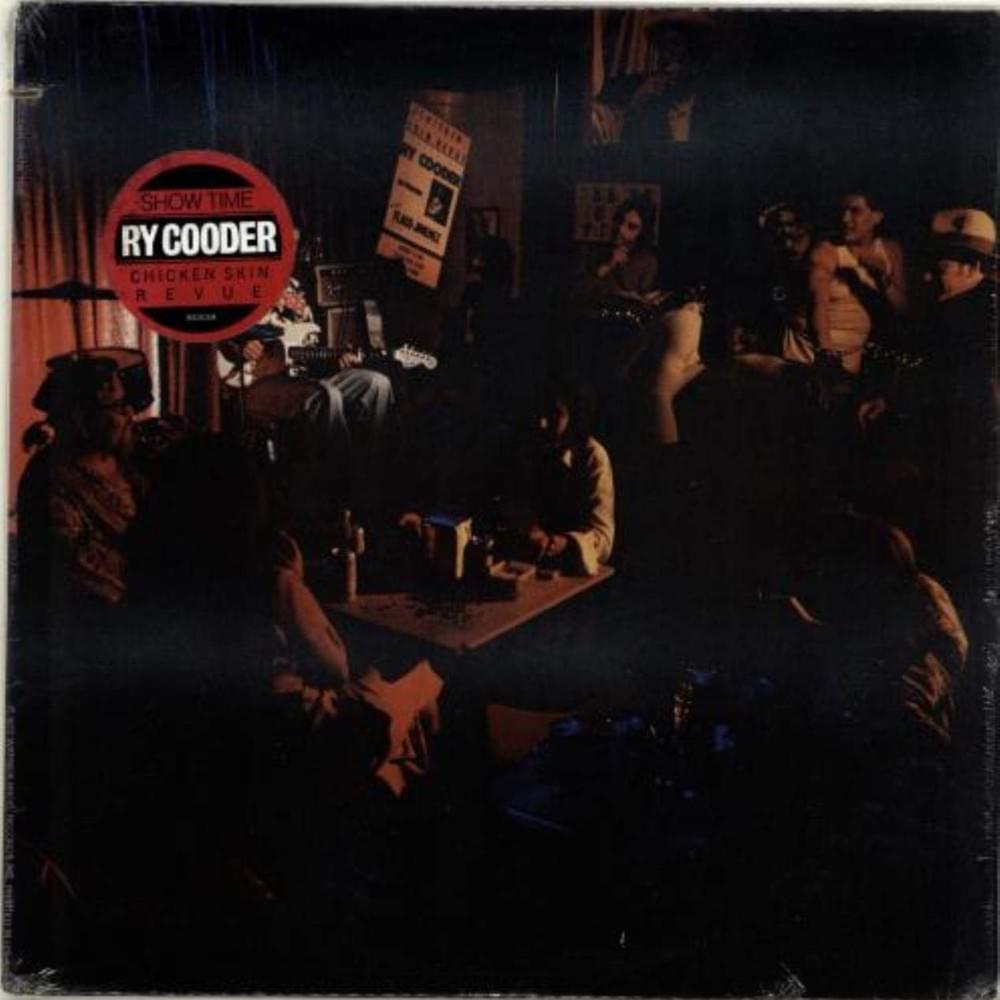
Ry Cooder's live rendition of "The Dark End of the Street" isn't just a song; it's a masterclass in emotional claustrophobia. The lyrics paint a stark picture of forbidden love, conducted in the shadows, fueled by desire and shadowed by guilt. The "dark end of the street" becomes a tangible space—a rendezvous point, a confessional, and a prison all rolled into one. It's a place where societal norms are defied, but not without consequence. The recurring line, "You and me at the dark end of the street," serves as both a bond and a lament, binding the lovers together in their shared secret and sorrow. The raw simplicity of the language amplifies the core conflict: the irresistible pull of passion versus the crushing weight of moral compromise.
The song's brilliance lies in its understanding of human psychology. The lovers aren't portrayed as reckless villains, but as flawed individuals trapped in a situation that spirals beyond their control. The lines, "We have to pay for the love we stole / It's a sin and we know it's wrong," reveal a deep awareness of the ethical implications of their affair. This isn't just about lust; it's about the complex interplay of desire, guilt, and the human need for connection. The bridge injects a potent dose of paranoia with the repeated warning, "They're gonna find us," highlighting the ever-present threat of discovery and the potential for devastating repercussions. The live performance adds an extra layer of vulnerability to the song. The rawness of Cooder's delivery, combined with the song's sparse arrangement, creates an atmosphere of intimacy and desperation, drawing the listener into the heart of the lovers' plight.
Ultimately, "The Dark End of the Street" explores the bittersweet nature of forbidden love, showcasing how passion can both liberate and imprison. The song's impact stems from its unflinching portrayal of human fallibility and its ability to evoke empathy for characters caught in a web of their own making. The final verse, with the instruction, "If we should meet, walk on by / Oh darling, don't, don't you cry," underscores the profound sacrifices demanded by this clandestine affair, leaving the listener with a lingering sense of melancholy and the understanding that some loves, however intense, are destined to remain forever in the shadows.
 View Artist