Song Meaning
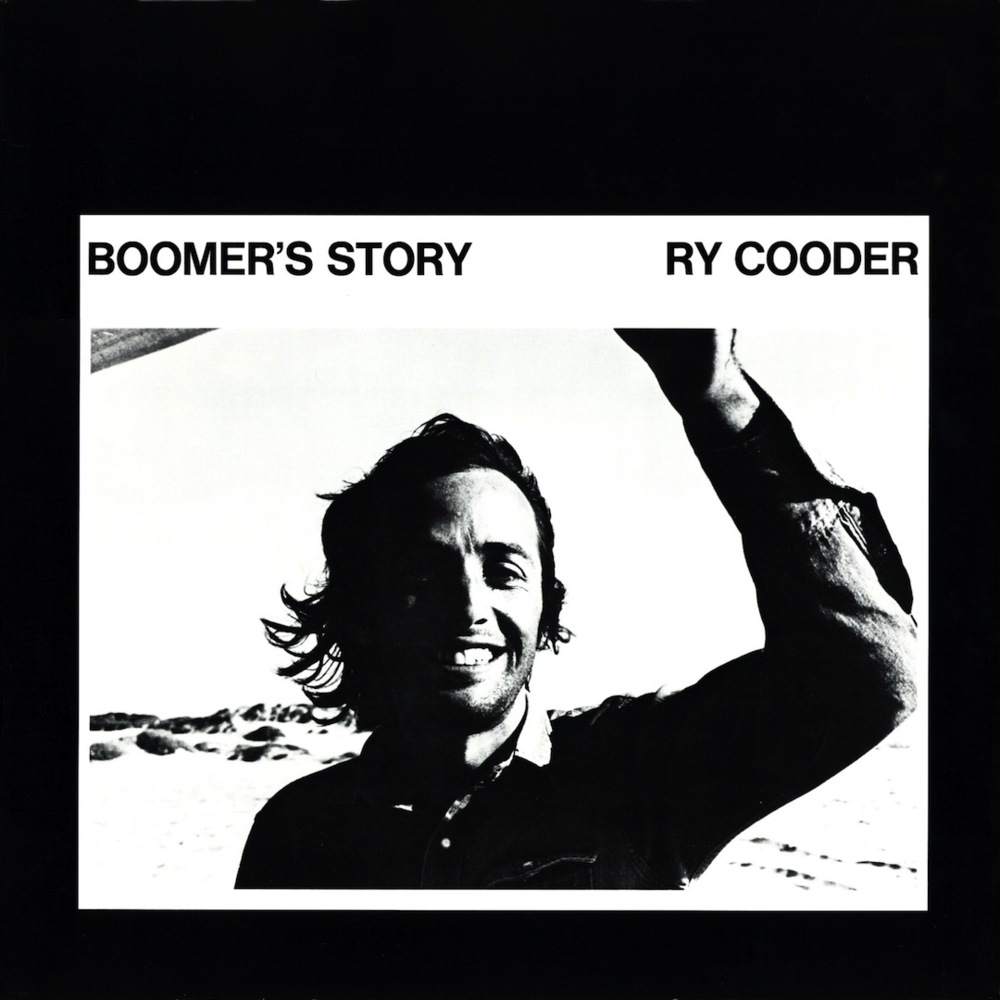
Ry Cooder's rendition of "Rally Round the Flag" isn't a straightforward anthem; it's a ghost of a sentiment, a sonic artifact unearthed from the conflicted soil of American history. The song, with its insistent call to unity and freedom, immediately evokes the Civil War era. But Cooder, a master of American roots music, doesn't simply present the song as a historical document. He subtly interrogates the very idea of 'rallying,' forcing us to confront the complexities and contradictions inherent in patriotic fervor. The repetition of phrases like "battle cry of freedom" becomes almost hypnotic, raising questions about who exactly is included in this vision of freedom, and who is excluded. The lyrics hint at a noble cause – welcoming the "loyal, true and brave," promising that "not a man shall be a slave" – but the historical context casts a long shadow.
The song's persistent invocation of "freedom" is particularly charged. In the context of the Civil War, this battle cry was inextricably linked to the fight to preserve the Union, but also, undeniably, to the fight to end slavery (eventually). Cooder's arrangement, likely more sparse and world-weary than the original, strips away any easy triumphalism. This forces the listener to reckon with the uncomfortable truth that even the noblest ideals can be twisted and manipulated to serve various agendas. The seemingly straightforward call to "rally" transforms into a complex meditation on allegiance, belonging, and the often-murky motivations behind collective action.
Ultimately, Ry Cooder's interpretation of "Rally Round the Flag" isn't about blind patriotism; it's about critical engagement with history. The song's meaning lies not in its surface-level message of unity, but in the questions it raises about the true cost of freedom, the seductive power of nationalistic rhetoric, and the enduring relevance of these historical struggles in contemporary America. It is a reminder that even songs can carry the weight of a nation's unresolved past.
 View Artist