Song Meaning
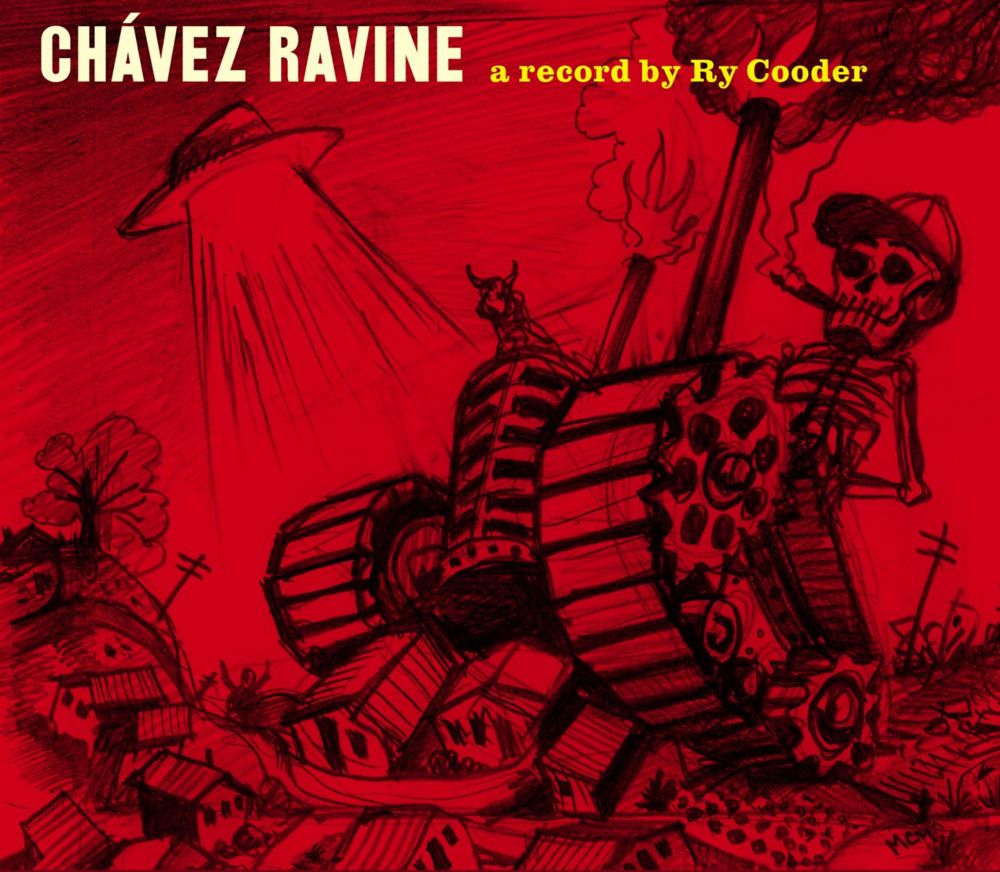
Ry Cooder's "Corrido de Boxeo" isn't just a boxing ballad; it's a potent, tightly wound parable about betrayal, dispossession, and the brutal realities lurking beneath the surface of the American dream. Sung in Spanish, the lyrics immediately ground the listener in a specific cultural and geographic space: Chavez Ravine, a Los Angeles neighborhood with a deeply fraught history. The song tells of two boxing brothers, the Chavez siblings, celebrated for their clean fighting style and honorable conduct, instilled with the belief that fair play guarantees victory. Their boxing ring triumphs at the Olympic Auditorium, however, stand in stark contrast to the political arena where they ultimately meet their downfall.
The true fight of the Chavez brothers isn't one of gloved fists, but against the insidious forces that led to the destruction of Chavez Ravine. The lyrics allude to the infamous land grab of the 1950s, where Mexican-American families were forcibly removed to make way for a public housing project that was ultimately scrapped in favor of Dodger Stadium. The brothers' adherence to a code of honor, their belief in fighting "clean," proves tragically insufficient against the machinations of power. They "fought in the mud until they lost everything," a visceral image of their struggle against an opponent that doesn't play by any rules.
"Corrido de Boxeo" transcends the typical boxing narrative of triumph or defeat. The song meaning lies not in the punches thrown, but in the systemic injustice that consigns the Chavez brothers and their community to oblivion. The final verses offer a chilling condemnation: "In the history of boxing, you have won or lost / But in Chavez Ravine, everything was forgotten." Cooder's song serves as a powerful reminder that some battles leave no victors, only forgotten victims, and that the scales of justice are often tipped by forces far more sinister than a knockout punch. The final line promising divine retribution to the "gang of bandits" responsible suggests that earthly justice may be absent, but accountability will eventually come.
 View Artist