Song Meaning
The narrator observes someone they perceive as embodying a past self, a version untouched by the harshness of experience. The opening lines paint a stark, almost melancholic setting – "The days are cold, the nights are blue" – which contrasts sharply with the idealized image of the younger person. This younger figure is presented as untainted, "wild and so free," and crucially, not yet burdened by the negative forces that have clearly impacted the narrator, like "enemies," "memories," "vanity," and "disappointment."
The core tension arises from the narrator's present state versus this remembered or observed youth. The repeated phrase "You're just like I used to be" reveals a deep sense of longing and perhaps regret. The narrator seems to be caught in a moment of intense, almost timeless intimacy within a specific "room," where the external world and its passage of time cease to matter. This sanctuary, however, is fragile, underscored by the chilling realization that within this space, "Only words between the lies."
The lyrics masterfully employ contrasting imagery to highlight this emotional divide. The narrator, a "bird who sings for you," suggests a performative or perhaps trapped existence, while the younger person is a "sailor on an open sea," evoking boundless possibility. This juxtaposition emphasizes the narrator's perceived loss of freedom and innocence. The recurring motif of "no time" in the room creates an illusion of escape, but the final line of the chorus shatters it, hinting at a deceptive or superficial connection.
Ultimately, the song captures a poignant ache for lost youth and the painful awareness of how life's inevitable hurts can erode one's spirit. The effectiveness lies in the stark contrast between the narrator's present weariness and the vibrant, unscarred image of the person they address, all contained within a fleeting, perhaps illusory, moment of shared space where truth and deception blur.
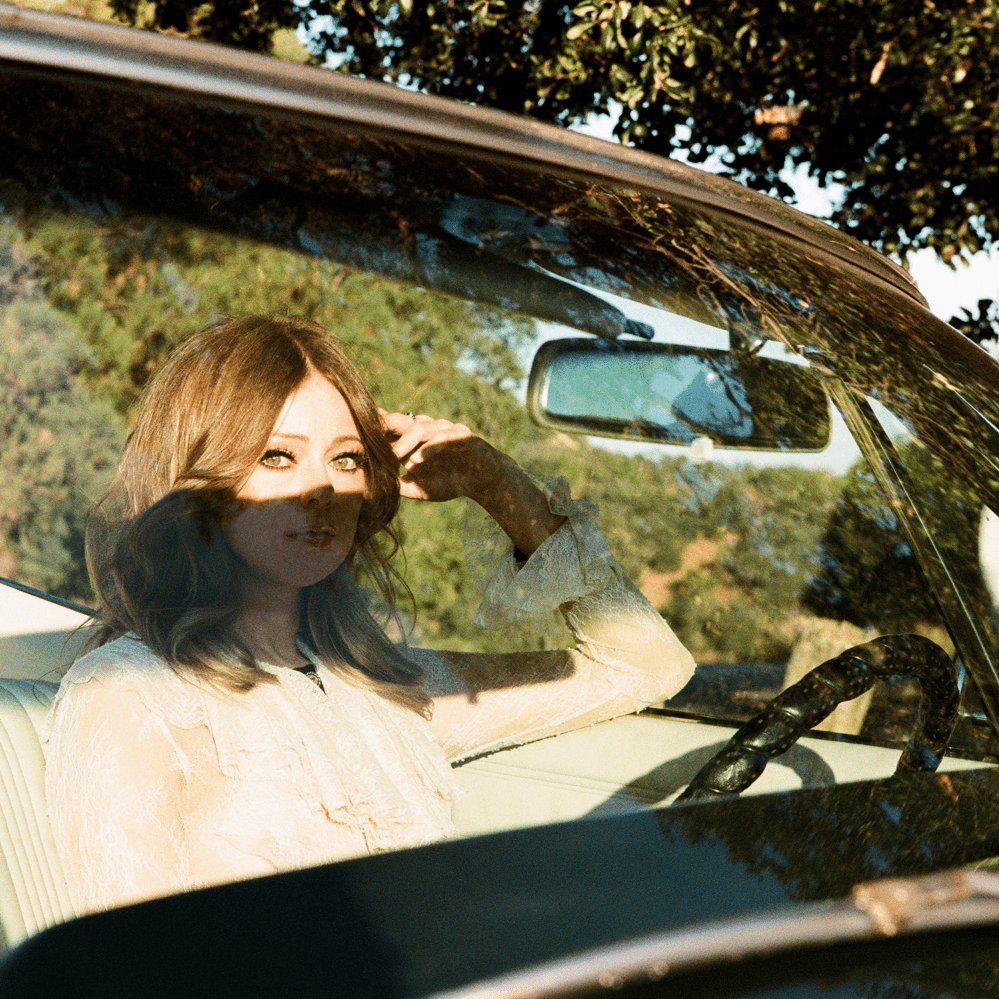
 View Artist