Song Meaning
The lyrics paint a stark contrast between a past of material wealth and a present of humble domesticity, all centered on a profound, almost inexplicable love. The narrator once possessed "silks and lace" and a "Rolls Royce," a life of luxury. Now, she finds her greatest joy "around the kitchen sink," a scene of simple, everyday labor. This shift isn't presented as a loss, but as a deliberate choice driven by affection.
The central tension lies in the narrator's seemingly irrational devotion to a man who is "plain and poor." She acknowledges his lack of outward appeal and their shared "hardship and strife," questioning her own choices with a rhetorical "Why do I love him?" The answer, repeatedly offered, is simply "I'm funny that way," suggesting a love that defies conventional logic or societal expectations.
The most compelling aspect is the narrator's self-awareness of her unconventional happiness. She dismisses opportunities for a "rich man's wife" and a "mansion," choosing instead a life that others might deem difficult. Even her partner recognizes their struggles, advising her she'd be "better off to leave him alone." Yet, her commitment is unwavering, rooted in a deep-seated belief in his need for her and her profound love for him.
This narrative's effectiveness stems from its candid portrayal of a love that prioritizes emotional connection over material gain. The repeated, almost defiant, declaration "I'm funny that way" serves as both an explanation and an embrace of her unique emotional landscape. It’s a powerful statement about finding contentment in unexpected places, driven by an internal compass that values love above all else.
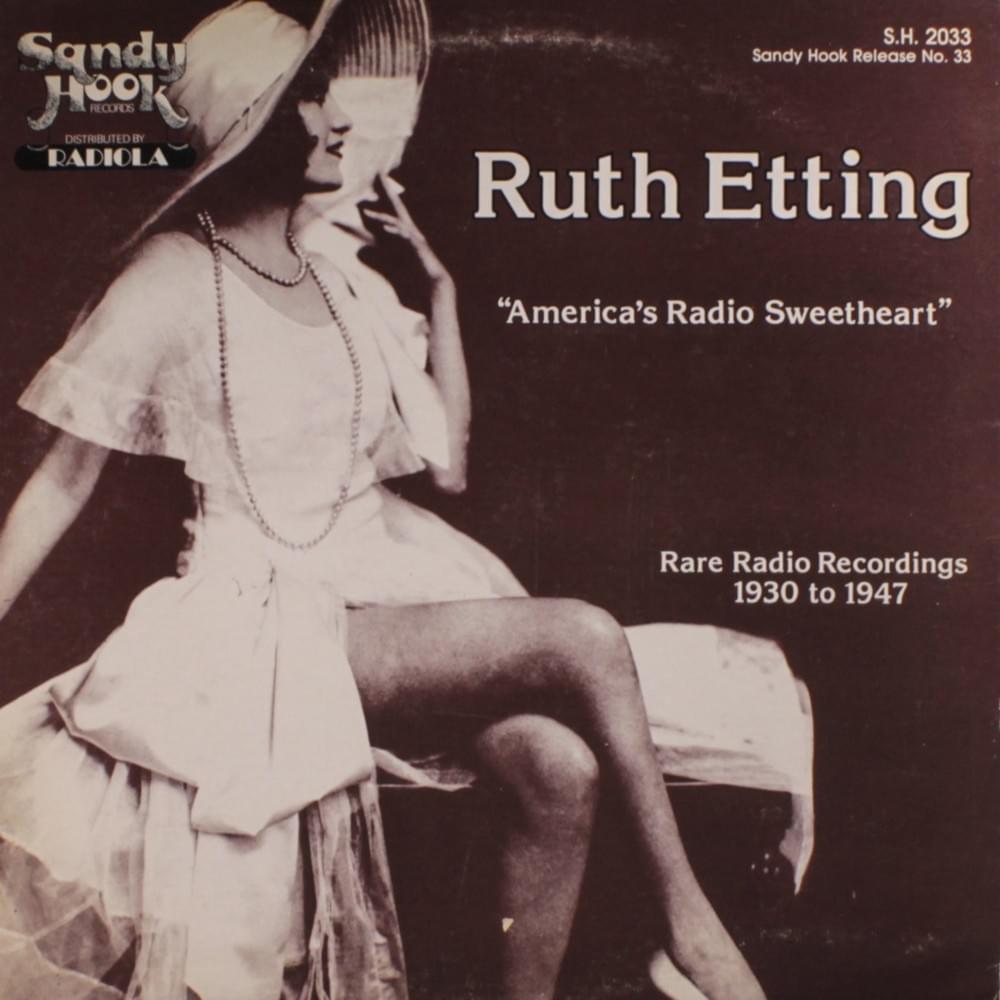
 View Artist