Song Meaning
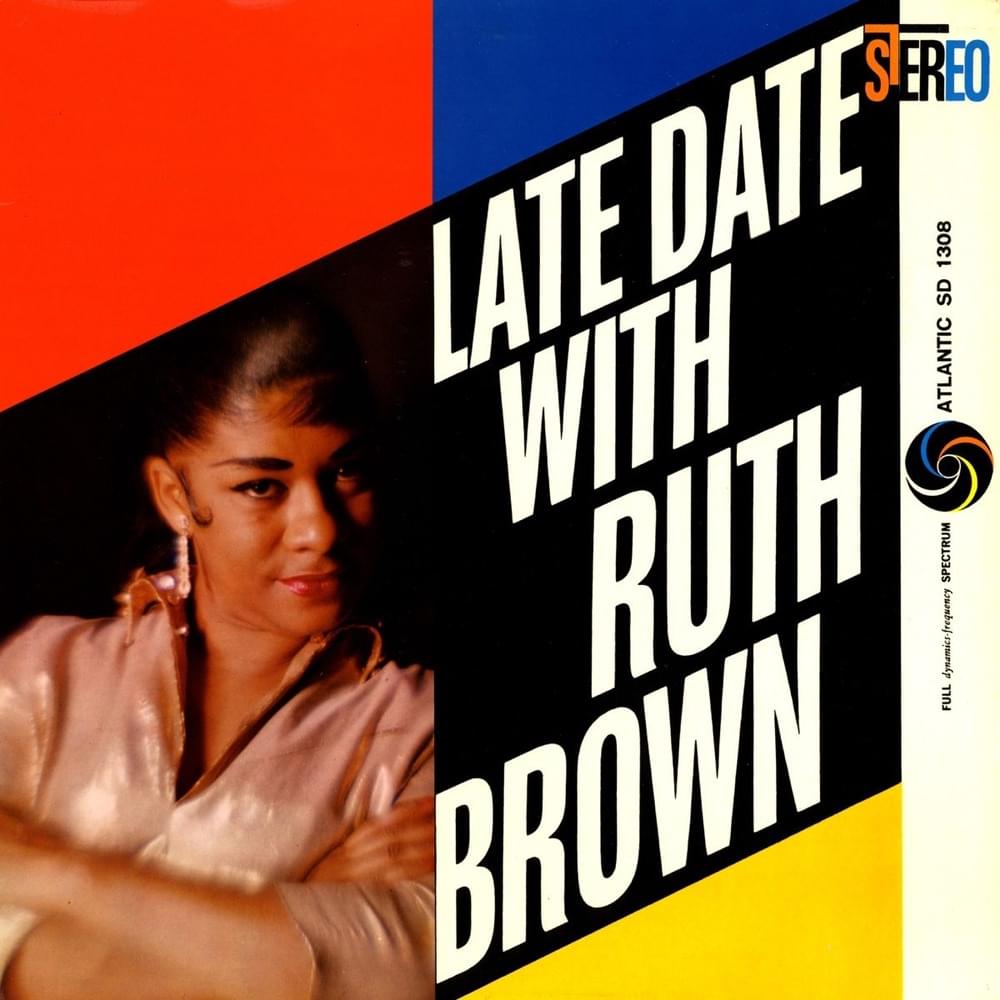
Ruth Brown's rendition of "Why Don't You Do Right" isn't just a song; it's a pointed accusation, a lament steeped in the harsh realities of economic and emotional betrayal. The song's core message revolves around a woman confronting a man who has squandered his resources and, by extension, her trust and security. The repeated refrain, "Why don't you do right like some other men do? Get out of here and get me some money too," underscores the stark transactional nature of their relationship, laid bare by his financial failings. It's a raw, almost brutal, expression of disappointment and the demand for accountability. The song’s genius lies in its unflinching portrayal of a power dynamic shift; the woman, once perhaps enamored by his "jivin'," now asserts her agency, demanding financial restitution as a measure of self-respect.
Beneath the surface of financial grievance lies a deeper psychological critique. The lyrics hint at a history of poor choices and irresponsibility. The line, "If you had prepared twenty years ago, you wouldn't be wanderin' now from door to door," speaks volumes about the man's lack of foresight and planning. This isn't just about money; it's about a fundamental failure to provide and protect, a role traditionally expected (though increasingly challenged) of men in the early to mid-20th century when this song gained prominence. The woman's anger is fueled not only by his current state but also by the realization that his downfall was preventable. She is not just angry at being broke, but at the betrayal of potential.
Ultimately, "Why Don't You Do Right" transcends its bluesy lament to become a powerful statement about expectations, gender roles, and the consequences of financial mismanagement. The song cleverly uses the man's financial failings as a metaphor for a broader failure of character. The final verses serve as a cold ultimatum, making it clear that his charm is no longer enough. All he has to offer her is a drink of gin, highlighting his uselessness. Ruth Brown's interpretation gives the song a particular bite, emphasizing the woman's resolve and the unshakeable nature of her demand. It's a timeless exploration of the complex interplay between love, money, and personal responsibility.
 View Artist