Song Meaning
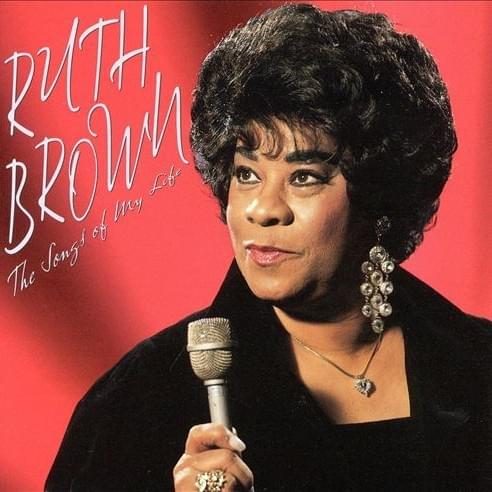
Ruth Brown's "They Say" isn't just a bluesy plea; it's a raw, almost desperate unraveling of insecurity within a relationship teetering on the edge. The opening lines immediately establish the central conflict: rumors swirling, whispers that her partner is losing interest. It's a scenario familiar to anyone who's felt the sting of gossip chipping away at their confidence. Brown doesn't deflect or deny; instead, she confronts the anxiety head-on, begging, "Please don't leave me / Don't deceive me." The repetition underscores the vulnerability, a palpable fear of abandonment driving the emotional core of the song. The raw simplicity of the language amplifies the feeling, cutting straight to the heart of the matter.
What elevates "They Say" beyond a simple love song is the subtle power dynamic Brown exposes. She acknowledges a past where her feelings weren't as intense ("When I first met you / No, I didn't love you"), a confession that adds layers of complexity. It suggests a relationship built on something other than immediate, reciprocal passion, perhaps convenience or a gradual warming. This admission, however, is immediately followed by the declaration of true love having developed over time, and a vision of wanting the partner for "the rest of my life." This juxtaposition highlights the uneven emotional investment, a potential source of the very insecurity fueling the rumors. The lyrics hint at a lover who is aware of their power, perhaps even subtly exploiting it, since "That's why you treat me / The way you do."
Ultimately, "They Say" is a study in emotional dependency and the anxieties that arise when love feels conditional. Brown's performance imbues the song with a world-weariness that transcends the simple lyrical structure. It's a blues lament, yes, but also a starkly honest portrayal of the internal turmoil that can plague even the most seemingly solid relationships. The repeated entreaties – "Please don't go" – resonate not just as a romantic plea, but as a primal scream against the fear of being alone, unloved, and replaced.
 View Artist