Song Meaning
Ruth Brown's interpretation of "Old Man River" is less a gentle stream and more a relentless, uncaring current of history. The song, steeped in the experience of Black laborers on the Mississippi, lays bare the brutal calculus of race and labor in America. It's not merely about physical toil, but the psychological weight of oppression. The lyrics paint a stark picture: endless work under the watchful eye of white bosses, bodies breaking under the strain, and the ever-present threat of violence and incarceration. The song's power lies in its unflinching portrayal of this reality, a reality where hope is deferred and dignity is constantly challenged. Brown doesn't shy away from the despair that such conditions breed; the singer confesses weariness, a sickness of trying, and a fear of death itself. This isn't just a lament; it's a testament to the human spirit's capacity to endure even under the most crushing circumstances. The "River Jordan" reference is not subtle, alluding to escape and freedom, a longing for a promised land far from the Mississippi's grasp. Brown's rendition amplifies the song's inherent themes of racial injustice and the search for liberation.
The central metaphor of "Old Man River" itself is profoundly complex. The river is a witness, an indifferent observer to the suffering of those who toil along its banks. "He must know something, but he don't say nothing," the lyrics state, underscoring the river's detachment. It rolls on, uncaring, while lives are consumed by labor and injustice. This indifference is perhaps the most cutting critique of all. The river becomes a symbol of a world that allows such suffering to persist, a world where the powerful turn a blind eye to the plight of the marginalized. It's this very apathy that fuels the singer's weariness and longing for escape. The river's continuous flow also represents the unending cycle of oppression, a cycle that seems impossible to break. But within this despair, there's also a quiet resilience. The act of singing itself becomes an act of resistance, a refusal to be silenced by the weight of history.
Ultimately, the song meaning of "Old Man River," especially through Ruth Brown's voice, serves as a powerful reminder of the human cost of exploitation. It's a song about the psychological toll of systemic oppression, the yearning for freedom, and the enduring power of the human spirit to persevere even in the face of seemingly insurmountable odds. The song's continued relevance lies in its ability to connect with contemporary struggles for social justice, reminding us that the currents of history continue to flow, and that the fight for equality is far from over. The enduring image of the river, "jest keeps rolling along", is a sobering reflection of both the persistence of injustice and the unwavering hope for a better future.
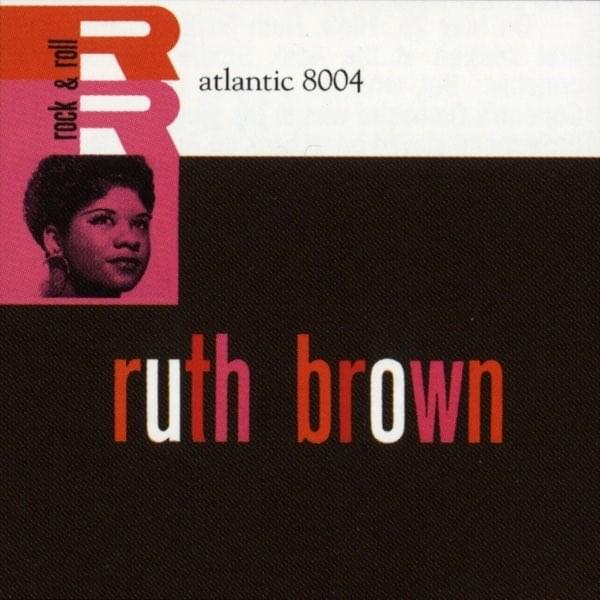
 View Artist