Song Meaning
This track captures the lingering pull of a past relationship, even as one person tries to move on. The narrator directly addresses someone who is attempting to erase their shared history, from kisses to spoken words, and even the "long days of romance." Yet, the lyrics insist that one specific memory, "the tango we used to dance," remains indelible, a potent symbol of their connection that can't be easily dismissed.
The central tension lies in this persistent, almost involuntary, memory versus the conscious effort to forget. The lyrics suggest the person trying to forget is actually "running from yourself," unable to escape the emotional imprint of their past. This internal conflict is amplified by the chorus, which posits a recurring, almost haunting, reminder: "You will never run away." This refrain implies that the past, particularly this shared dance, will always find a way to resurface, even in the quiet of the night when a name is called out.
The most striking element is the recurring motif of the tango. It’s not just a dance; it’s presented as an inescapable rhythm, a core part of the other person's identity that they can't shed. The lyrics cleverly contrast the outward denial – "Sure you can pretend," "You don't talk to me" – with the internal reality of their heart still playing this specific tune. This contrast highlights the futility of trying to sever a deep emotional tie.
Ultimately, the effectiveness of these lyrics stems from their focus on a singular, evocative image – the tango – to represent a complex emotional entanglement. The narrator's unwavering assertion, "Whatever happens / I am with you," coupled with the inescapable nature of the dance, creates a powerful sense of unresolved connection. It’s this persistent echo of a shared past, embodied by the dance, that makes the attempt to forget seem so ultimately hollow.
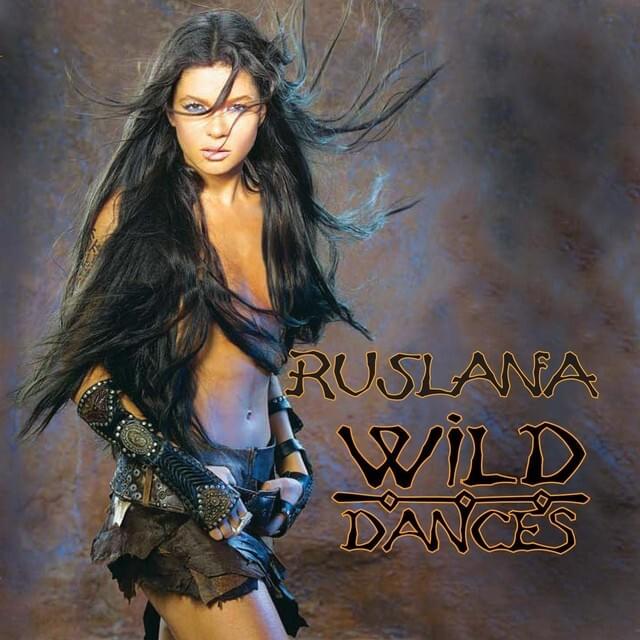
 View Artist