Song Meaning
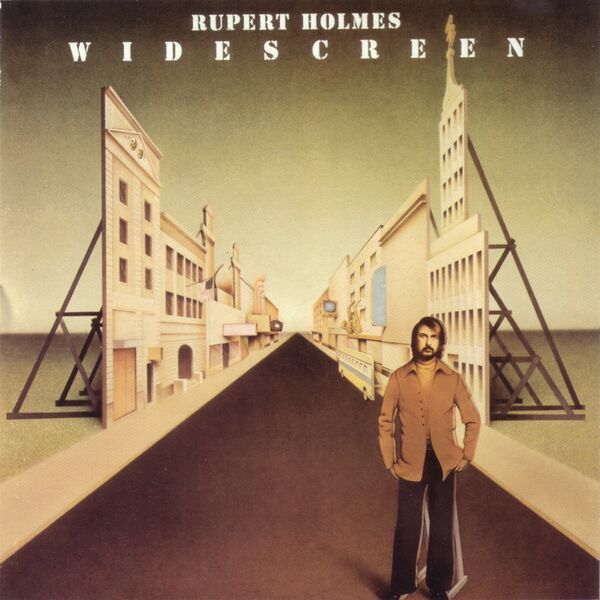
Rupert Holmes's "Both Ways" isn't just a song; it's a masterclass in self-sabotage, set to a catchy melody. The lyrics paint a painfully relatable picture of someone paralyzed by their own intellect, a person who can't seem to bridge the gap between thought and action, especially when it comes to matters of the heart. The central theme revolves around the speaker's inability to express genuine feelings, cloaking them instead in layers of conversational filler. This isn't mere shyness; it's a defense mechanism, a way to avoid vulnerability and potential rejection. The repeated refrain, "All I do is talk," becomes a mantra of frustration, a lament for missed opportunities and unspoken desires. The longing is palpable, but the courage to act is absent. The song's brilliance lies in its simplicity, capturing the universal struggle of wanting something deeply but being held back by one's own anxieties.
The verses depict a series of encounters where the speaker consistently chooses intellectual banter over emotional connection. When the woman expresses a desire for something more visceral ("All I wanna do is show you"), he deflects with questions about linguine and Fellini. This isn't just awkwardness; it's a deliberate act of avoidance. He recognizes his self-destructive pattern ("if there's smoke in her eyes, you would think that I'd get wise"), yet he's unable to break free from it. The image of them "looking at the television, listening to a politician" is particularly telling, suggesting a shared sense of helplessness and a reliance on external distractions to avoid confronting their own emotional realities. The mundane setting underscores the tragedy of a connection that remains perpetually unrealized.
Ultimately, "Both Ways" is a poignant exploration of missed connections and the crippling power of overthinking. The song meaning isn't just about the fear of rejection, but the fear of truly being seen. The speaker's incessant talking becomes a shield, protecting him from the vulnerability that genuine connection demands. The final repetition of "Every sound you heard held me back from your love" is a stark realization of the price he's paid for his intellectual posturing. Rupert Holmes doesn't offer a solution, but he provides a brutally honest portrait of a common human failing: the tendency to talk ourselves out of the very things we desire most.
 View Artist