Song Meaning
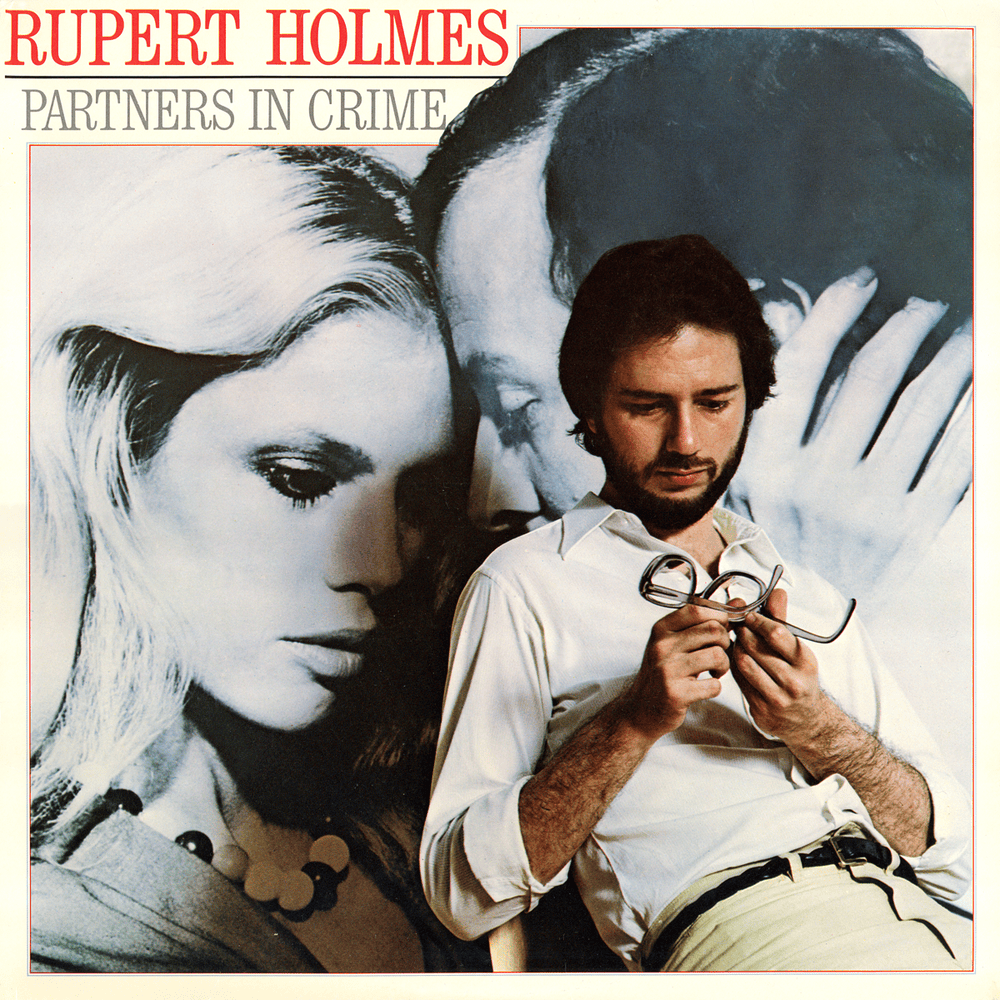
{"song_id": 10129854, "meaning": "Rupert Holmes's \"Nearsighted\" isn't just a quirky ode to poor vision; it's a sly commentary on perspective and the selective realities we construct. The song, on its surface, playfully acknowledges the artist's blurry world, but quickly pivots to argue that this literal handicap is actually a superpower. He doesn't \"envy those of you with 20/20 vision,\" suggesting that perfect clarity might be a burden, blinding one to deeper truths or the beauty in imperfection. The lyrics propose that a degree of obfuscation allows for a kinder, more subjective experience. There's a deliberate choice at play here: to see \"just what I please.\" This isn't naive optimism; it's a conscious rejection of harsh realities in favor of a curated, more joyful existence.
The core of \"Nearsighted\" rests on the idea that judgment is often clouded by superficial observation. Holmes sings, \"I don't judge a friend or lover by a first or second look / Nor a book just by its cover, hell, I can't even see the book.\" This isn't merely about physical limitations; it's about resisting snap judgments and embracing a more profound understanding. The inability to see clearly forces a reliance on other senses, intuition, and a willingness to look beyond the surface. The repeated refrain, \"Nearsighted, loving life is such a breeze,\" underscores the ease and contentment that come with this chosen perspective.
Ultimately, the song's meaning coalesces around the power of love and connection to define one's reality. The lyrics, \"Nearsighted, all I need to see is you,\" are both a romantic declaration and a statement of purpose. In a world often defined by cynicism and critical analysis, Holmes champions a vision narrowed to what truly matters: human connection. The \"slight out of focus\" lens, then, becomes a tool for prioritizing emotional truth over objective reality. \"Nearsighted\" is a celebration of seeing the world not as it is, but as it can be, filtered through the lens of affection and personal choice. It's about finding clarity in the blur, and, perhaps most importantly, choosing what to focus on."}
 View Artist