Song Meaning
Rupert Holmes's "Love Out of Time" isn't so much a song as it is a bittersweet philosophical treatise on the ephemeral nature of romantic connection. It's a mature perspective, acknowledging love as a force both powerful and tragically fleeting. Holmes frames love as an elusive, almost feral child, existing outside the constraints of societal expectations and the relentless march of time. The opening lines paint a picture of love thriving "where the weeds grow wild," suggesting a natural, untamed state that resists domestication or control. This sets the stage for the central idea: love's refusal to be pinned down or forced into a predetermined narrative. The core message is about acceptance, not possession. It's about recognizing the inherent impermanence of things and finding gratitude in the moments experienced, however brief. There’s almost a Zen-like quality to the song’s acceptance of impermanence.
The lyrics repeatedly warn against attempts to control or define love. "Don't try to name the place/Don't try to set the pace," Holmes cautions, highlighting the futility of imposing expectations on a force that operates outside of logical parameters. To analyze "Love Out of Time" is to consider the psychological impact of expectations on relationships. The song subtly suggests that many romantic failures stem from a desire to mold love into a preconceived ideal, rather than accepting it for what it is in the present moment. The chorus, with its plea to "Live out of rhyme/Love out of time," acts as a mantra, urging listeners to embrace spontaneity and abandon rigid timelines or societal scripts. The idea of living "out of rhyme" suggests a rejection of conventional patterns and predictable outcomes, embracing the unique rhythm of each individual relationship.
The latter half of the song shifts into a reflective mode, acknowledging the pain of love's departure but also expressing gratitude for its existence. The lines "Grateful I have the past/'Though that it couldn't last/Seems a crime" capture the complex emotions of loss and appreciation. Even as the singer laments the ending, there's a recognition that the experience was valuable, even transformative. The closing verses offer a final piece of wisdom: "Don't try to change the dance/Give up your plan/Share what you can." This is an appeal to vulnerability and presence, suggesting that the best way to experience love is to surrender to its flow, rather than trying to control its trajectory. The song meaning ultimately rests on accepting the transient nature of love, cherishing its moments, and releasing expectations.
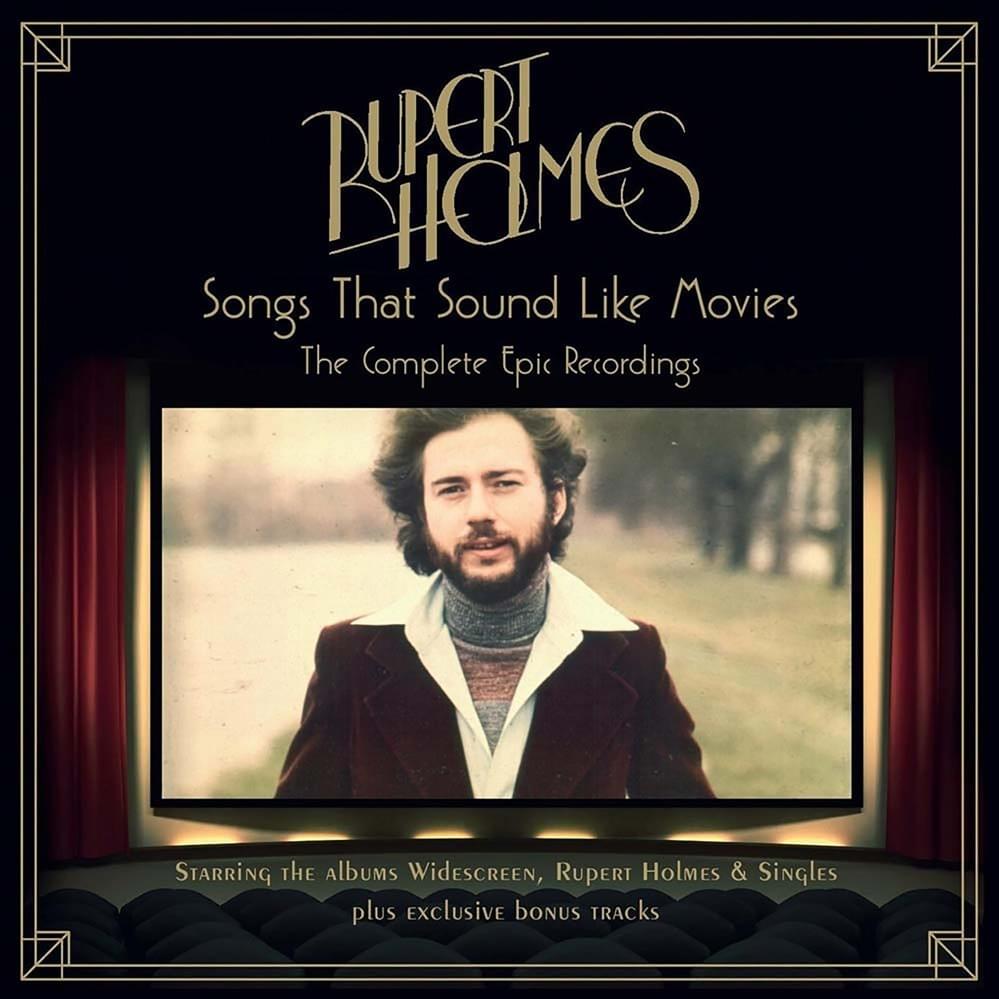
 View Artist