Song Meaning
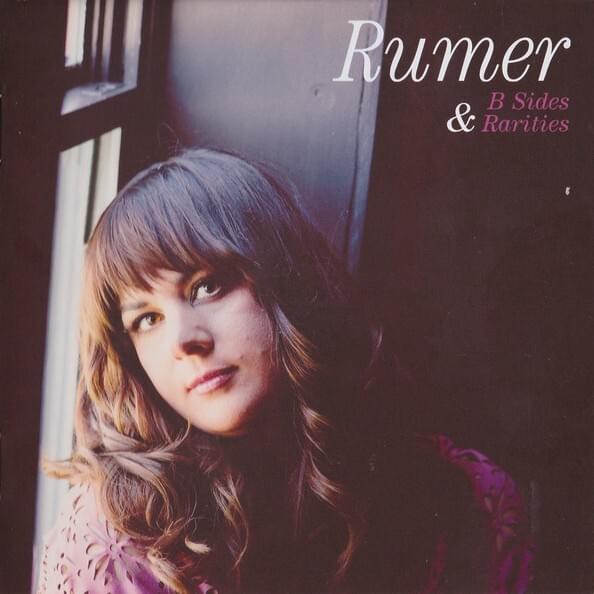
Rumer's rendition of "Moon River" isn't merely a cover; it's a masterclass in wistful yearning, a psychological portrait painted with delicate vocal strokes. The song, at its core, is about the pursuit of dreams and the comfort found in shared journeys. But Rumer excavates something deeper, exposing the inherent melancholy that underpins even the most optimistic wanderlust. It's not just about *going* somewhere; it's about the unspoken anxieties that fuel the desire to escape, the quiet hope that a change of scenery will somehow mend a fractured self. The "dream maker, heart-breaker" line isn't a contradiction; it's a brutally honest assessment of the human condition.
The "Moon River" itself functions as both a literal place and a potent metaphor. It represents the vast, unknown future, a seemingly insurmountable obstacle ("wider than a mile") that the narrator is determined to cross "in style some day." But it's also a symbol of the internal landscape, the emotional currents that pull us in different directions. The repetition of "two drifters" emphasizes the theme of companionship, suggesting that even the loneliest journeys are made bearable by finding someone to share the road—or, in this case, the river. The phrase "my huckleberry friend" adds a layer of homespun intimacy, a reminder that even amidst grand aspirations, simple connections matter most.
Ultimately, Rumer's interpretation of "Moon River" isn't just about the destination; it's about the process of becoming. The "rainbow's end" isn't necessarily a pot of gold; it's the elusive sense of self-discovery that lies just around the bend. The song's genius lies in its ability to hold both the naive optimism of youth and the world-weary wisdom of experience in perfect tension. It acknowledges the inherent risks of chasing dreams while simultaneously celebrating the unwavering spirit that compels us to keep searching, even when the river seems impossibly wide.
 View Artist