Song Meaning
The lyrics paint a vivid picture of disorientation and loss, using a series of striking juxtapositions to convey the narrator's profound sense of absence after a separation. The opening lines establish this feeling immediately: a bird in the moon, a villager in Paris, a vagabond in Moncloa, a teetotaler at San Fermín. These are images of being fundamentally out of place, of experiencing something without its essential element, setting the stage for the core sentiment: "Eso soy yo desde que tu no estas aquí" (That's me since you're not here).
The central tension lies in the narrator's transformation into something incomplete and nonsensical without their loved one. The comparisons escalate from geographical displacement to emotional and functional emptiness: a Monday morning without the will to continue, an umbrella in Alaska, a sailor in Madrid. These aren't just inconveniences; they represent a loss of purpose and context, a feeling of being ill-equipped for existence itself. The repeated phrase "sin ti" (without you) anchors this pervasive feeling of incompleteness.
The most potent craft element is the relentless use of simile, comparing the narrator's state to scenarios that are inherently absurd or tragic. The chorus offers a particularly sharp image: "Mas triste que Manhattan sin sus torres elevadas, Como Venecia sin agua" (Sadder than Manhattan without its tall towers, Like Venice without water). This highlights a loss of identity and function, a place or entity stripped of its defining characteristic. The later verses continue this, with images like "Una flor en Chernóbil" (A flower in Chernobyl) and "Un calcetín solitario" (A lonely sock), emphasizing isolation and unnatural circumstances.
These lyrics hit hard because they translate abstract emotional pain into concrete, often bizarre, imagery. The narrator isn't just sad; they are a series of impossible situations, a walking contradiction. This creative approach makes the feeling of loss palpable, showing how the absence of one person can render the entire world, and the self within it, fundamentally wrong and devoid of meaning. The final lines, "Unas ganas de morir" (A desire to die), underscore the extreme despair these juxtapositions evoke.
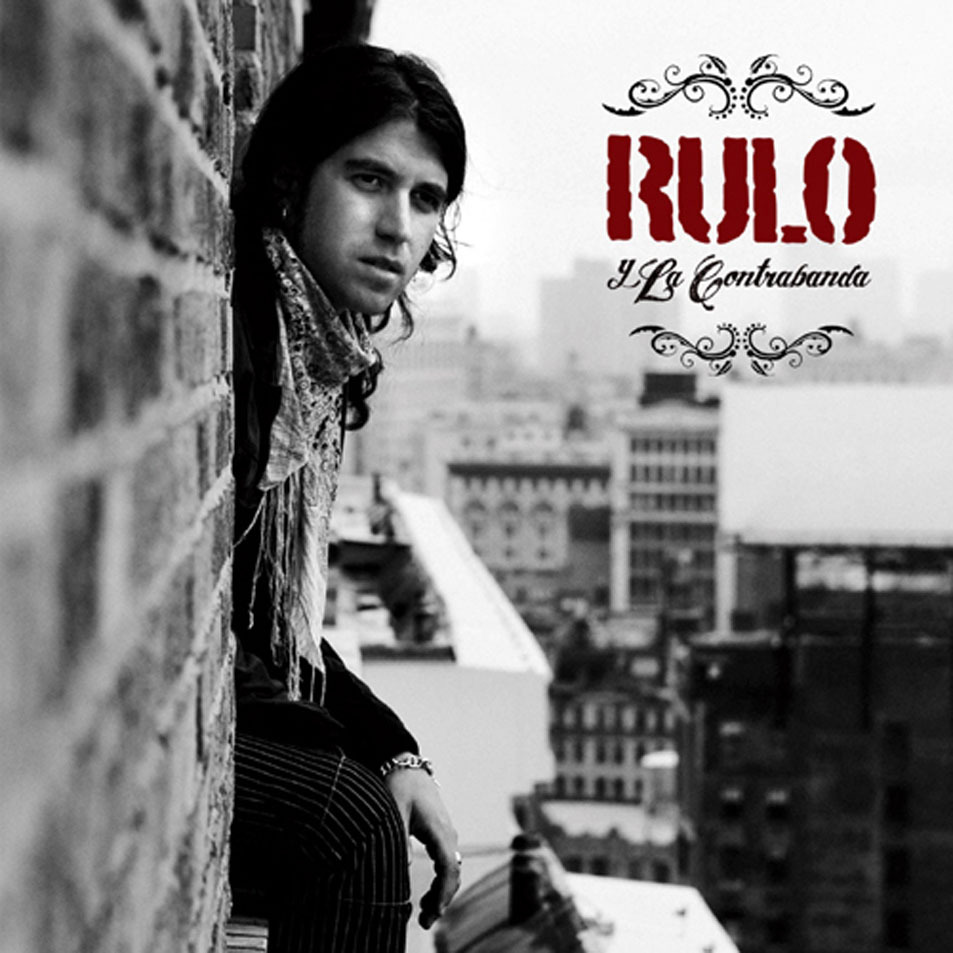
 View Artist