Song Meaning
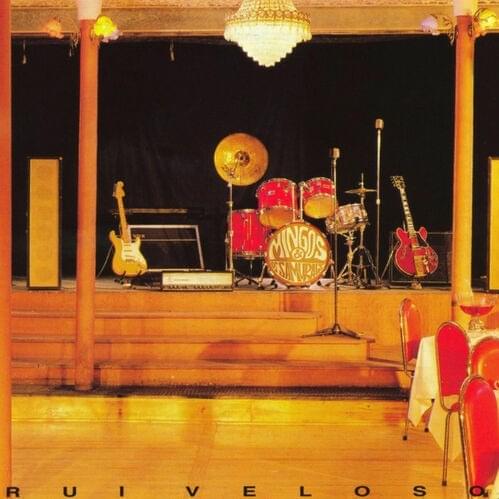
The lyrics paint a vivid picture of a missed connection, set against the backdrop of a crowded social space, likely a dance hall or party. The narrator observes someone across the room, a moment of intense, unspoken recognition sparked by a glance. This initial spark, described as a match striking "on the sole of my heart," suggests a deep, internal reaction, yet the narrator immediately identifies as "hesitant," unable to bridge the distance. The scene is charged with potential, but ultimately defined by inaction and internal conflict.
The central tension lies in the narrator's self-acknowledged timidity and social anxiety, which directly impede the development of a romantic connection. While a "penetrating gaze" ignites a "flame," the narrator's inherent hesitancy prevents any forward movement. This internal struggle is amplified by the setting; the narrator explicitly states, "The ballroom is not for me," feeling tense and awkward, particularly when attempting to dance. The fear of missteps, both literal and metaphorical, paralyzes them, leading to the worry of "stepping on my partner's feet."
The lyrics cleverly use the metaphor of dancing to represent the broader challenges of social interaction and romantic pursuit. The narrator laments that if only the "time were different" and the other person had taken the initiative, things might have unfolded differently. This highlights a profound sense of regret, particularly in the lines, "Who knows if to have everything / We only lacked me knowing how to dance." The act of dancing becomes a stand-in for the courage and social grace required to seize opportunities, suggesting that a perceived lack of skill in this area led to the loss of a significant potential relationship, a "secret love that time made pass."
Ultimately, the effectiveness of these lyrics stems from their raw, relatable portrayal of social anxiety and the quiet melancholy of missed chances. The narrator's coping mechanism—creating "verses to compensate"—reveals a turning inward, transforming unspoken feelings and regrets into art. This offers a poignant resolution, suggesting that while the ballroom may be a place of failure, the narrator finds solace and expression in the very act of articulating their internal world, turning personal shortcomings into creative output.
 View Artist