Song Meaning
The lyrics paint a stark picture of a fishing village at dawn. Fishermen gather, the tide murmurs, and old women mend nets. There's a palpable sense of routine, yet also a deep undercurrent of hardship. A young fisherman prepares to leave, his wife buttoning his coat.
Beneath the mundane actions, a profound emotional tension simmers. The old women's "nevralgia de morte" (death neuralgia) hints at the physical toll of this life, a pain that resonates with the young fisherman's "dedos cortados" (cut fingers). His tender goodbye to his wife is underscored by the ever-present threat of the sea, making every departure a potential final one.
The most arresting line arrives as the fisherman departs: "Tem o luto sempre à mão" (Have mourning always at hand). This isn't a morbid wish but a stark, pragmatic acknowledgment of their precarious existence. It transforms the wedding ring and even the "esmalte do teu casacão" (enamel of your coat) into poignant talismans, meant to hold his memory should he not return. The casual instruction to prepare for loss is chillingly matter-of-fact.
These lyrics effectively capture the stoic resilience of a community living on the edge. The vivid sensory details—the murmuring tide, strong cigarette, north wind—ground the narrative in a harsh reality. By juxtaposing everyday actions with the constant shadow of death, the poem elevates a simple goodbye into a profound meditation on love, loss, and the enduring human spirit in the face of an unforgiving world.
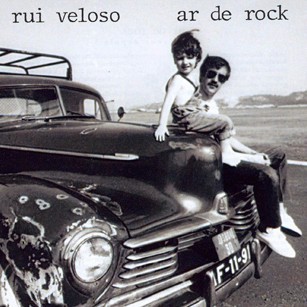
 View Artist