Song Meaning
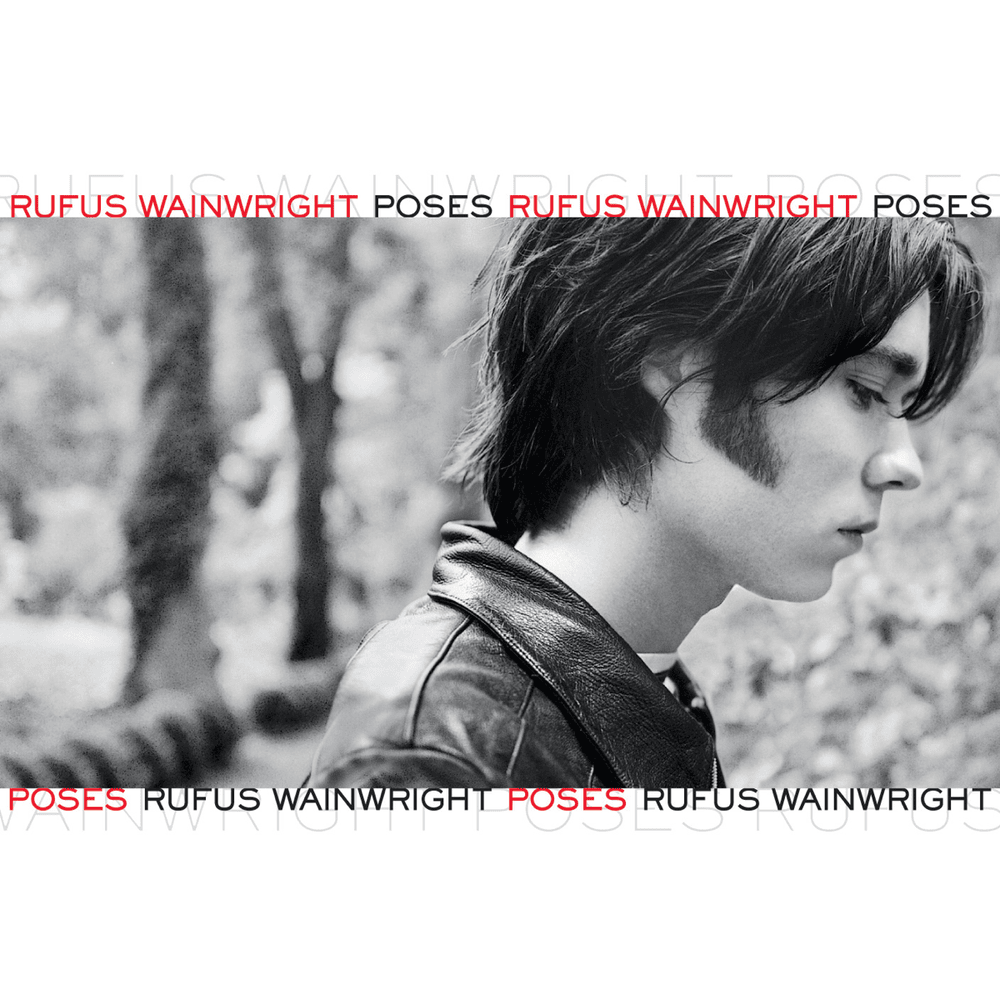
Rufus Wainwright's "The Consort" drips with operatic ambition, a twisted fairytale distilled into a few potent verses. On the surface, it paints a picture of courtly love and power, but scratch beneath the surface and a far more complex – and potentially sinister – dynamic emerges. The song appears to be sung from the perspective of a 'consort' addressing a young queen, barely more than a girl ('Beautiful queen of seventeen'). But the seemingly supportive language – 'Entrust in me, you're not alone' – quickly curdles into something more manipulative. The promise of shared power ('Together we'll wreak havoc on the throne') hints at a desire for control, a puppeteer pulling strings from the shadows.
Wainwright masterfully explores the psychology of influence and the seductive nature of ambition. The consort's repeated assurances of loyalty are undercut by the subtle power plays embedded in the lyrics. The line, 'Even though my throne's slightly smaller than yours,' is particularly telling, revealing a potential insecurity and a veiled desire for dominance. This isn't a straightforward love song; it's a study in the subtle art of manipulation, where love and loyalty are weapons in a game for ultimate control. The 'blood red moon' that 'spared our bed' also suggests a backdrop of danger and intrigue, perhaps even violence, framing the relationship within a context of political struggle.
Ultimately, the song meaning of "The Consort" lies in its ambiguity. Is the consort truly a loyal advisor, or a Machiavellian figure plotting to usurp the throne? The song offers no easy answers, leaving the listener to grapple with the unsettling possibility that love and power are often intertwined, and that even the most beautiful queen can be a pawn in someone else's game. Rufus Wainwright creates a world where the line between devotion and domination blurs, leaving us questioning the true intentions of the 'faithful consort' at the young queen's side. The repeated call to 'prepare your things, dissolve your mind' in the opening and closing verses is less an invitation and more a command, driving home the unsettling undercurrent of control that permeates the entire song.
 View Artist