Song Meaning
Rufus Wainwright's rendition of "Shenandoah" isn't just a folk song; it's an exercise in longing, a triple-layered ache for place, love, and a future perpetually deferred. The lyrics, deceptively simple, paint a portrait of a soul caught in the crosscurrents of desire and duty. The repeated invocation of "Shenandoah" isn't merely geographic. The river becomes a stand-in for memory itself, a flowing, ever-present reminder of what's being left behind. Each verse adds a new dimension to the central conflict: the pull of the land, the draw of a lover, and the inexorable push westward.
The song's emotional core resides in the tension between staying and leaving. Wainwright's delivery amplifies this feeling, his voice capable of conveying both deep affection and quiet resignation. The "wide Missouri" isn't just a river to be crossed; it's a symbolic boundary, a threshold between the known and the unknown, comfort and uncertainty. The phrase "bound away" carries a double meaning, suggesting both a physical departure and a sense of being compelled by forces beyond the speaker's control. Is he running towards something, or running away? The lyrics offer no easy answers.
Ultimately, "Shenandoah" resonates because it taps into a universal human experience: the bittersweet reality of choices and the ever-present awareness of what we sacrifice in their wake. The love for Shenandoah's daughter is intertwined with the landscape itself, suggesting a deep connection to a specific place and community. Leaving becomes a form of self-imposed exile, a severing of ties that will likely haunt the speaker long after he's crossed the Missouri. Wainwright's interpretation underscores the song's inherent melancholy, transforming it into a haunting meditation on love, loss, and the enduring power of place.
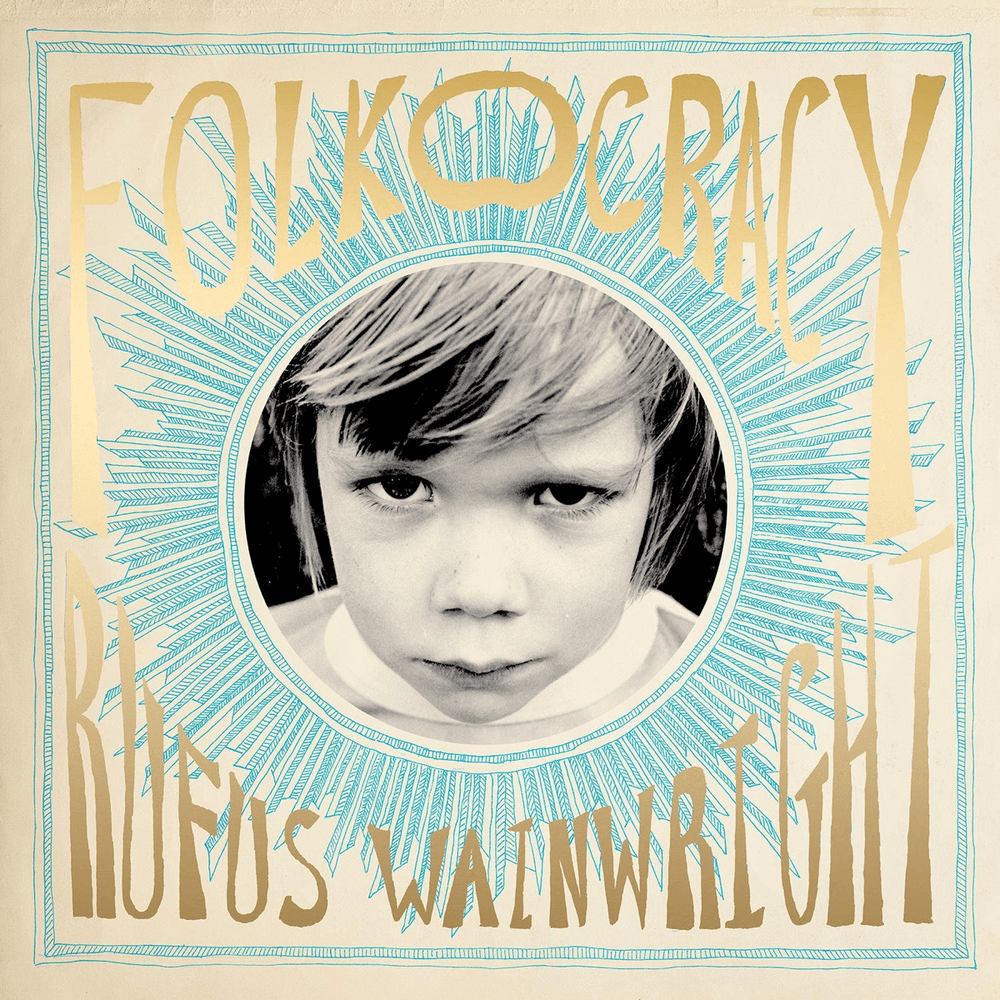
 View Artist