Song Meaning
Rufus Wainwright's "Rules and Regulations" isn't a simple lament; it's a barbed critique of societal constraints disguised as a breezy acceptance. The opening lines, dripping with sardonic resignation, immediately establish the power dynamic. He acknowledges his perceived inferiority – "I will never be as cute as you / According to the board of human relations" – highlighting the arbitrary and often superficial standards by which we're judged. These aren't personal failings, but externally imposed limitations dictated by unseen, bureaucratic forces. The "board of human relations" and "board of public citations" suggest a world obsessed with conformity and quantifiable metrics of success, leaving little room for individuality. The seemingly innocuous observation that he will “never fly as high” is a crushing, psychologically astute assessment of the limitations placed on ambition.
The chorus, repeated with increasing irony, frames these limitations as natural law: "These are just the rules and regulations / Of the birds and the bees / The earth and the trees." Wainwright equates societal expectations with the fundamental order of the universe, a move that simultaneously trivializes and monumentalizes them. By invoking "the gods," he elevates these man-made rules to a quasi-religious status, implying their unquestionable authority. However, the very act of singing about them exposes their absurdity. The lyrics analysis reveals a tension between genuine longing for freedom and a weary acceptance of the status quo.
The latter half of the song introduces a shift in perspective. Wainwright recounts a desire to "roam," even within the confines of his own home, suggesting a yearning for internal liberation. The image of the "sad culprit" offers a glimpse of empathy, perhaps directed at someone who has internalized these rules and suffered as a result. Yet, the concluding lines – "And I like everyone / Yes I like everyone / Must follow them" – are delivered with a chilling ambivalence. Is this genuine acceptance, or a thinly veiled condemnation of the pressures to conform? The beauty of "Rules and Regulations" lies in its refusal to provide easy answers, leaving the listener to grapple with the complexities of navigating a world defined by arbitrary constraints.
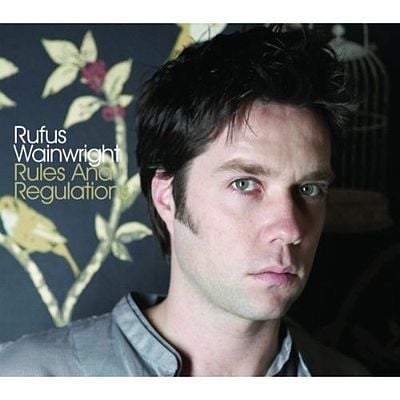
 View Artist