Song Meaning
Rufus Wainwright's "Rashida" isn't your typical ode; it's a barbed thank you note dripping with sardonic wit. The song's core revolves around exclusion – the singer's dis-invitation from a party, ostensibly orchestrated by the titular Rashida. But instead of wallowing, Wainwright transforms the snub into artistic fuel. The repeated line, "And I'd like to thank you, Rashida, for doing this / And giving me a reason to write a song," reveals a complex relationship with the slight. Is it genuine gratitude for the inspiration, or a passive-aggressive jab at someone who inadvertently sparked his creativity? It’s likely both.
The lyrics hint at a deeper social game at play. References to "begging for that Vanity Fair connection" suggest a world of social climbing and celebrity networking – a milieu where Wainwright perhaps feels like an outsider. Rashida, in this context, becomes a gatekeeper, someone who controls access to a coveted sphere. The mention of "Miss Portman" (likely Natalie Portman, given Wainwright's social circles) further solidifies this sense of insider/outsider dynamics. It’s a world where connections matter, and Wainwright is keenly aware of his position within it.
Ultimately, “Rashida” is a study in coping mechanisms. Wainwright uses his artistry as a weapon, turning personal rejection into a public performance. The song's seemingly simple structure belies a rich subtext of social anxiety, ambition, and the complicated relationship between artist and muse. It’s a playful yet pointed commentary on the often-absurd rituals of the elite, delivered with Wainwright's signature blend of vulnerability and theatrical flair. The final “Ooh, ahh” vocals are an ambiguous send-off, almost mocking, but also perhaps suggesting a cathartic release. The song leaves you wondering who Rashida really is, and what role she unknowingly played in Wainwright's creative process.
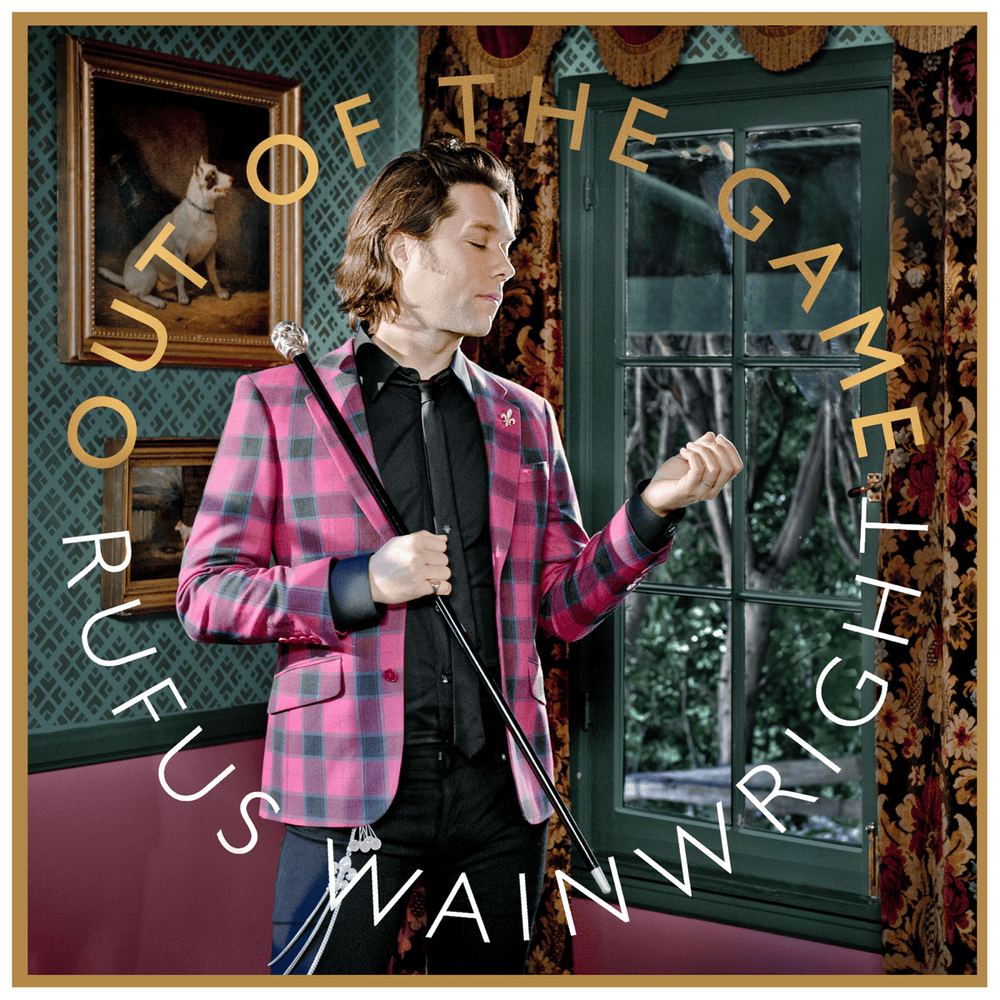
 View Artist