Song Meaning
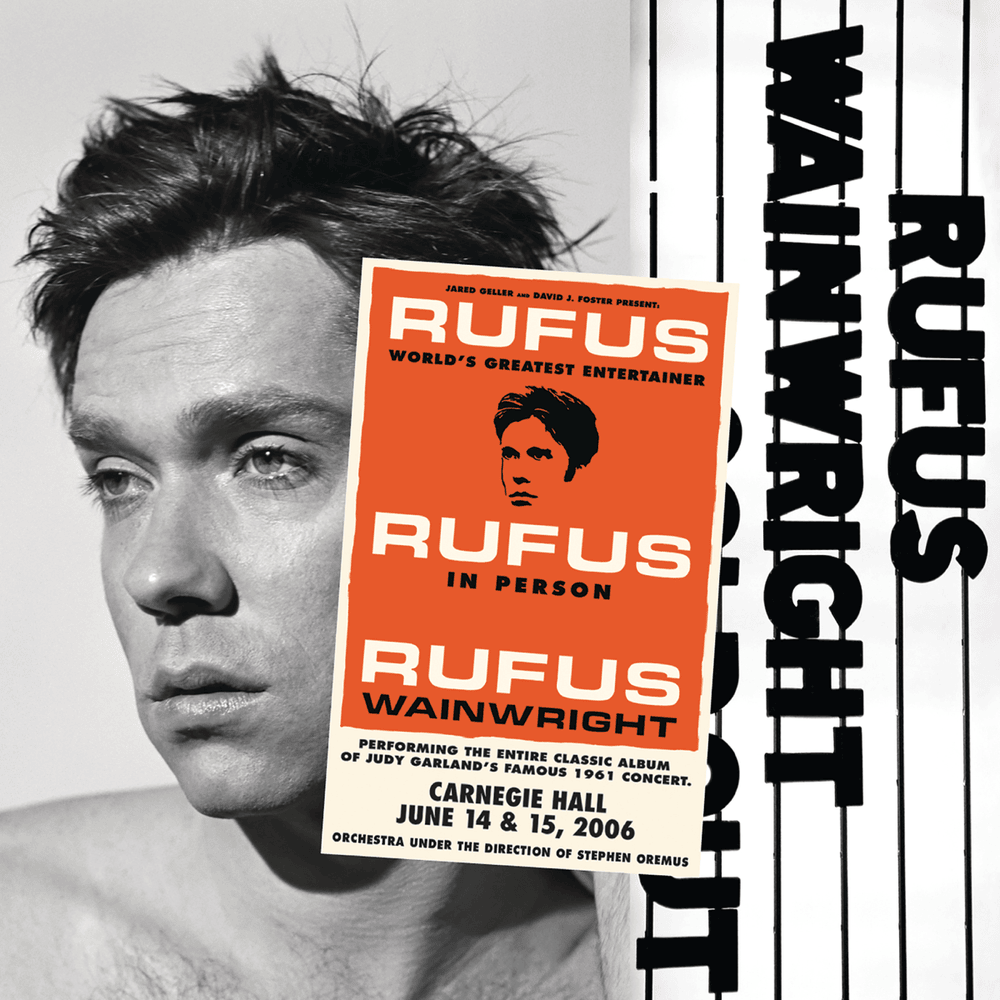
Rufus Wainwright's interpretation of "If Love Were All," delivered live at Carnegie Hall, transcends a simple lament on romance; it's a sophisticated exploration of the artist's role and the compromises inherent in a life dedicated to performance. Originally by Noël Coward, the song's lyrics speak to the tension between the longing for deep, reciprocal love and the self-sufficiency cultivated through artistic expression. Wainwright, known for his operatic sensibilities and theatrical flair, amplifies this tension, transforming the song into a poignant meditation on the loneliness that can accompany a life lived in the spotlight. The wistful repetition of "If love were all, I would be lonely" underscores the idea that love alone cannot fulfill the complex needs of an artist whose identity is intrinsically linked to their craft. It suggests a fear that being solely defined by love would be a kind of diminishment.
The lyrics delve into the inherent vulnerability of loving deeply, acknowledging the potential for loss and disappointment: "I believe the more you love a man, the more you put your trust, the more you're bound to lose." This isn't mere cynicism, but a weary acceptance of the risks involved in emotional investment, particularly for someone accustomed to the transactional nature of performance – giving and receiving adoration on a stage. The fantasy of being "needed" by someone "affectionate and dear" reveals a yearning for genuine connection, a desire to be valued for more than just talent. This idealized vision contrasts sharply with the perceived reality of being primarily valued for the ability to "amuse."
Ultimately, Wainwright's rendition of "If Love Were All" becomes a powerful statement about the sacrifices artists make in pursuit of their passion. The repeated refrain, "The most I've had is just a talent to amuse," carries a weight of resignation, hinting at a deep-seated fear that the speaker's worth is limited to their entertainment value. The song avoids simple answers, instead leaving the listener to contemplate the inherent contradictions of a life dedicated to art – the simultaneous need for connection and the self-imposed isolation that often accompanies creative genius.
 View Artist