Song Meaning
Rufus Wainwright's rendition of "Banks of the Wabash" isn't just a nostalgic trip; it's a poignant exploration of memory, loss, and the enduring power of place. The song, originally a state song for Indiana, becomes in Wainwright's hands a deeply personal lament. The opening verses paint an idyllic picture of the singer's childhood home, a landscape of cornfields and woodlands. However, this pastoral scene is immediately undercut by a profound sense of absence. The idyllic "picture" is incomplete, specifically missing the maternal figure who once anchored his world. This sets up a central theme: the past's beauty is inseparable from its irretrievability. The lyrics analysis reveals a yearning not just for a physical place, but for a lost emotional security.
The chorus, with its evocative imagery of moonlight, new-mown hay, and gleaming candlelight, offers a bittersweet counterpoint. The Wabash River becomes a symbol of both beauty and sorrow. The following verses introduce another layer of loss: a sweetheart named Mary. The singer recalls a time when he walked with her by the river, attempting to express his love and propose marriage. The regret is palpable; Mary is now gone, resting in the churchyard, and the singer is haunted by the possibility that she never truly understood the depth of his feelings. This adds a tragic dimension, highlighting the theme of missed opportunities and the enduring pain of unrequited or misunderstood love.
Ultimately, "Banks of the Wabash" transcends its simple melody to become a meditation on the ways in which memory shapes our present. Wainwright's interpretation underscores the bittersweet nature of nostalgia, acknowledging that the places and people we hold dear are often irrevocably changed or lost. The song's power lies in its ability to evoke a universal sense of longing for a past that can never be fully reclaimed. The final line, "Still I'd give my future were she only here," encapsulates the song's central message: the past, with all its joys and sorrows, continues to exert a powerful influence on our lives, shaping our desires and coloring our perceptions of the present.
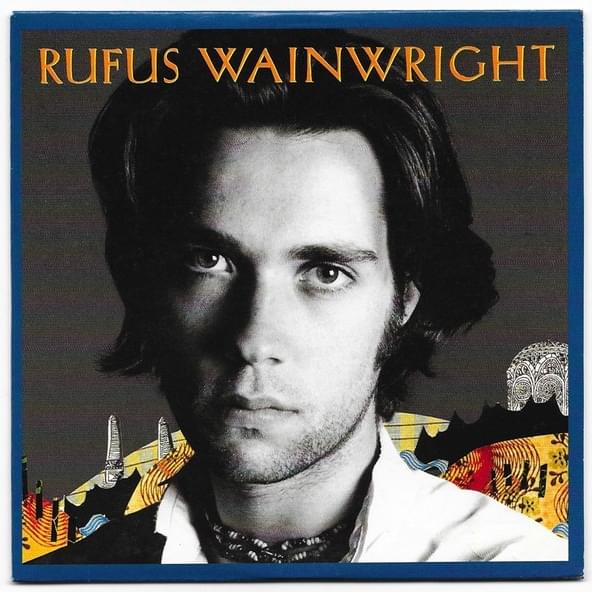
 View Artist