Song Meaning
The lyrics paint a vivid picture of a bygone era, centered on a luxurious landau and its driver, John. There's an immediate sense of nostalgia for a slower, perhaps more charming time. The narrator observes a stark contrast between this past and a noisy, modern present.
The core tension here is the clash between cherished memory and an unwelcome present. The comfortable, almost personified landau, "Cushioned for Sleep's own self," stands in sharp relief against the "nine-hundred-pound" vehicle that now dominates the roads. This isn't just about vehicles; it's about the loss of a particular way of life and the people who embodied it, like "poor John."
The poem masterfully employs contrast and classical allusions to underscore its theme. John's "broad and brandied cheek" and the "Jehu's" speed of his driving evoke a specific, robust character and a historical context for speed. This is starkly juxtaposed with John's quiet death and the "reckless chauffeur" of the new era. The narrator's interjection of Latin phrases, *Mors communis omnibus* (death is common to all) and *Laudator temporis* (praiser of time past), elevates a personal lament into a more universal reflection on mortality and the human tendency to idealize the past. The "Er—" before the first Latin phrase adds a touch of conversational self-awareness, making the narrator feel more present and relatable.
These lyrics resonate because they tap into a universal experience of watching the world change, often for the faster, and feeling a pang of loss for what was. The precise imagery of the landau and John, coupled with the narrator's explicit praise for "The times before the Act allowed her," makes the lament feel deeply personal yet broadly understandable. It's a poignant observation on progress, mortality, and the quiet sorrow of seeing beloved traditions and people fade away, replaced by something less graceful, more hurried.
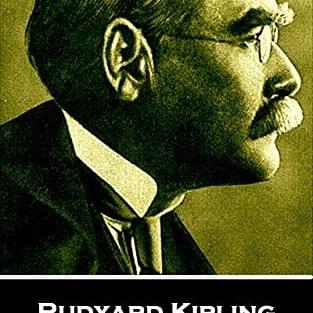
 View Artist