Song Meaning
The lyrics paint a picture of a relationship where one partner, the narrator, struggles with memory and perhaps reliability, while the other, referred to as the "matador," was once a figure of public attention and perhaps control. The narrator admits to being "forgetful" and leaving "an open door," contrasting with the "matador's" past desire for the "audience looked your way." This sets up a dynamic of perceived inadequacy on the narrator's part and a shift in the "matador's" former glory.
The central tension arises from the narrator's enduring love and hope for reconciliation, despite the "matador's" apparent departure from their shared past and public persona. The narrator feels like "the beast" to the "matador's" "savior," a role that seems to have been shed. The transformation of "Las Arenas" into a "shopping mall" serves as a poignant metaphor for how significant places and perhaps identities can be commercialized and lose their original meaning, mirroring the potential decay of their relationship.
The most striking craft element is the extended metaphor of the bullfight, with the narrator casting themselves as "the beast" or "the bull" and the partner as "the matador." This imagery is used to describe their past dynamic and the narrator's current state. The repeated plea, "I hope you're not mad anymore," underscores the narrator's vulnerability and desire for the "matador" to return, even calling them "my favorite matador." The shift from "I'm not a bull anymore" suggests a personal transformation, yet the yearning for the "matador" to call them by their "bullfighting name" reveals a deep-seated attachment to that shared, dramatic past.
These lyrics resonate because they capture the bittersweet ache of remembering a vibrant, perhaps tumultuous, past relationship and grappling with its present reality. The narrator's admission of flaws, coupled with their unwavering affection and the evocative bullfighting imagery, creates a sense of raw, unvarnished emotion. The effectiveness lies in how the specific, almost theatrical, metaphors are grounded in relatable feelings of loss, memory, and the persistent hope for a connection that once defined them.
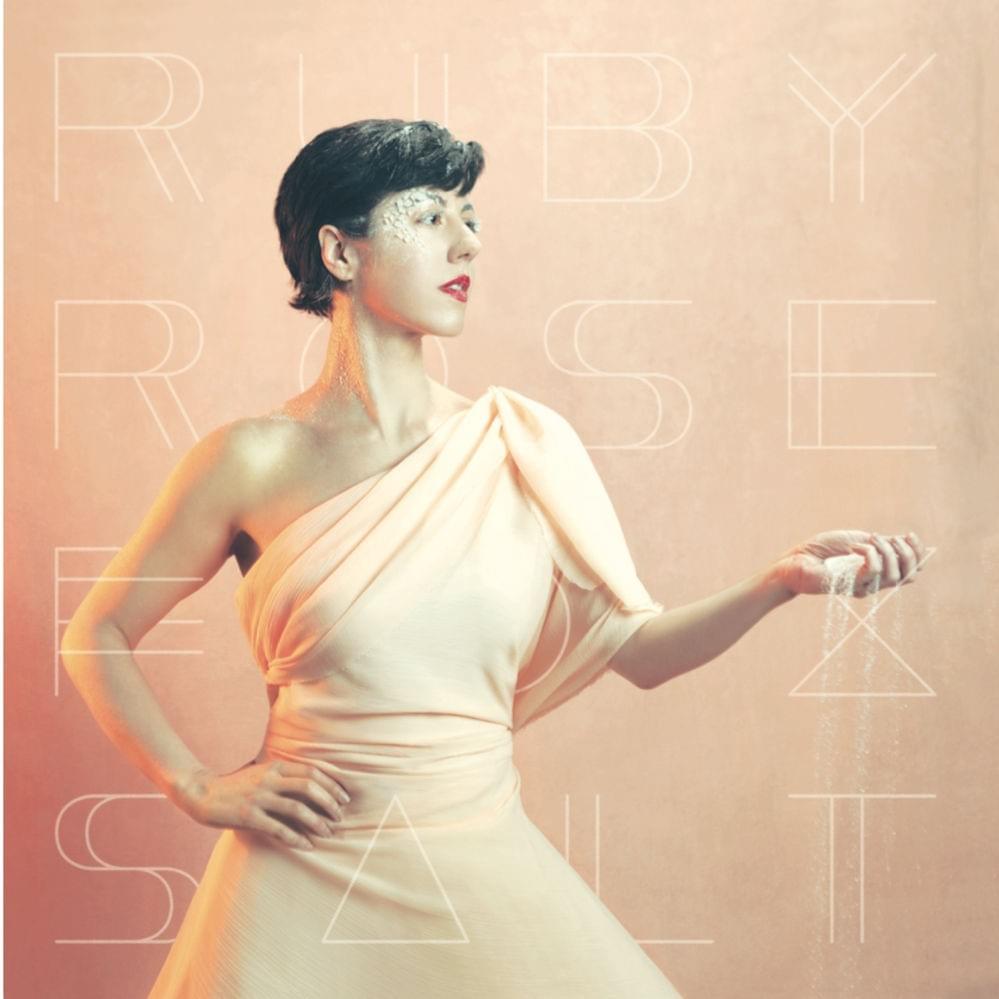
 View Artist